Creative Youth Development (CYD) is described broadly in terms of skill-building in a creative endeavor, relationships, and civic engagement. These are all essential components. Yet beneath them lies a deeper question: what kind of human capacity are we trying to develop when we speak of creativity?
If creativity is understood primarily as an individual talent — a special ability possessed by a few — then youth development becomes a matter of identifying and nurturing those who show early promise. However, if creativity is understood as a sociocultural phenomenon, something that emerges in relationships and shared practices, then the focus shifts. The task is no longer to discover gifted individuals but to cultivate environments in which new possibilities can emerge.
This shift is not merely theoretical. It has practical implications for how we design, support, and evaluate creative youth programs.
Creativity as a Sociocultural Process
Research over the past decades has increasingly shown that creativity does not reside inside individuals as a fixed trait. It unfolds through participation in cultural practices. Young people create using available tools, languages, symbols, and traditions. They respond to expectations. They internalise feedback. They work within (and sometimes against) existing norms.
Creativity is, therefore, relational.
It depends on access to materials and communities of creative practice. It depends on opportunities for dialogue. It depends on recognition. And it depends on whether young people perceive that what they are doing matters beyond the immediate task.
From this perspective, creative development is inseparable from its context. A young person's potential is not simply something to be expressed; it is something to be cultivated.
This is where creative youth development becomes particularly significant.
Create: Developing Capacity Through Participation
The first pillar of CYD — Create — highlights hands-on skill-building with qualified mentors. This emphasis on mastery is crucial. Creativity without competence rarely leads to sustained engagement or meaningful contribution.
Yet skill-building should not be understood narrowly as technical training. From a sociocultural perspective, learning a skill means entering a practice. It means understanding standards, conventions, and possibilities within a domain. It means engaging with feedback and revision. It means discovering that effort and discipline expand what one can imagine and accomplish.
When young people move from tentative experimentation to more confident participation, they do not simply acquire skills. They begin to develop agency. They start to see themselves as contributors rather than observers.
Importantly, high expectations matter. Creative youth development is not about lowering standards in the name of expression. It is about creating structured opportunities for young people to stretch beyond what they initially think is possible.
Connect: Creativity as Collective Endeavour
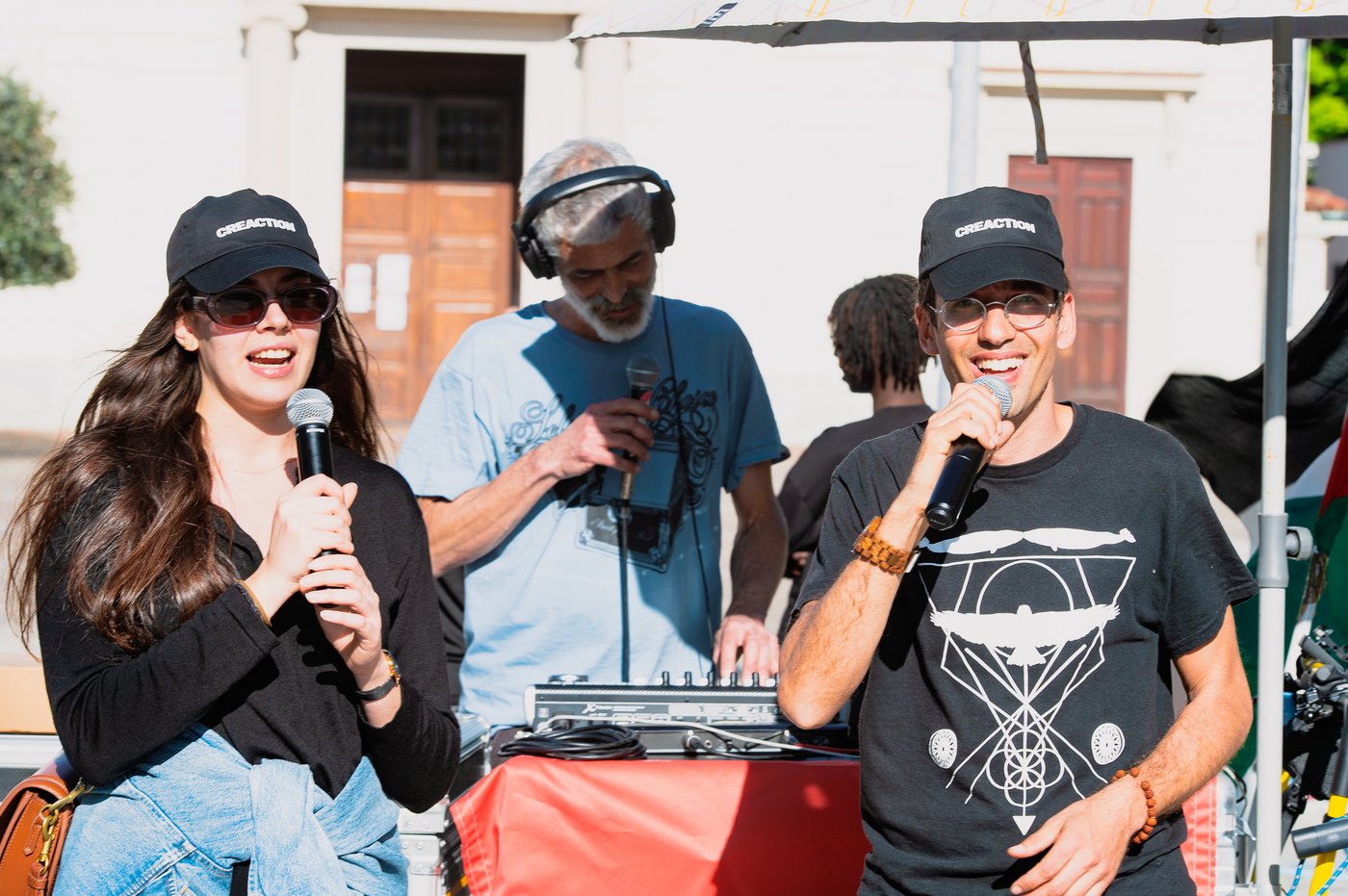
The second dimension of CYD — Connect — underscores the importance of belonging to a creative community. This is not an accessory to creativity, it is foundational.
Creative processes are inherently dialogical. Ideas are shaped through exchange. Feedback refines thinking. Collaboration expands the range of perspectives brought to a problem or project.
For young people especially, community provides more than inspiration. It provides legitimacy. When mentors and peers take their work seriously, young people begin to take themselves seriously as creators.
This has implications for program design. Creative environments need psychological safety alongside challenge. They need adults who model curiosity and critical engagement rather than premature judgment. They need structures that encourage cooperation rather than constant comparison.
In such settings, creativity becomes sustainable. It is not dependent on momentary motivation but embedded in shared practice.
Catalyse: From Creative Practice to Civic Agency
The third element — Catalyse — points to civic engagement and contribution. This dimension brings creativity into direct contact with social life.
When young people see that their work can address real issues, reach audiences, or shape conversations, creativity acquires direction. It is no longer solely about personal development; it becomes a way of participating in collective futures.
Here, creativity intersects with what I and others have described as possibility thinking: the capacity to perceive alternatives, imagine different states of affairs, and act toward them. Possibility is not abstract optimism. It is grounded in the recognition that the present is not fixed. Social realities are constructed and therefore open to transformation.
Creative youth development, at its best, cultivates precisely this orientation. It enables young people to see constraints without being confined by them. Civic engagement in CYD programs is powerful because it situates creativity within shared responsibility. It communicates to young people that their ideas matter, not in isolation, but in relation to others.
Creative Youth Development as Infrastructure for the Possible
Possibility Studies, as an emerging field, examines how individuals and societies perceive, negotiate, and expand what is considered possible. From this perspective, creative youth development can be understood as infrastructure for possibility.
Every environment implicitly communicates boundaries. It signals what is valued, what is allowed, what is imaginable. Some contexts narrow horizons, others expand them.
CYD programs have the potential to widen horizons in at least three ways:
- Perceptual expansion — exposing young people to alternative ways of thinking and making.
- Relational expansion — connecting them to networks of mentors, peers, and wider communities.
- Agentic expansion — supporting concrete action that reshapes local realities.
When these elements converge, young people do more than complete projects. They develop an orientation toward the future that includes themselves as active participants.
This orientation is particularly important in uncertain times. Many young people today encounter narratives of limitation: economic, environmental, political. While realism is necessary, so is the cultivation of grounded hope. Such hope does not arise from reassurance alone. It emerges from participation. When young people become part of communities of practice characterised by psychological safety, challenge, and mutual recognition, they experience themselves as capable contributors. Belonging, in this sense, is not merely emotional comfort; it is a condition for agency. And agency, once experienced, expands what feels possible. Creative engagement can therefore provide concrete experiences of efficacy that counteract fatalism — not by denying constraints, but by demonstrating that constraints can be negotiated.
Designing Conditions, Not Selecting Talent
A sociocultural and possibility-oriented view of creativity suggests that the central question for educators and policymakers is not: Who is creative? Rather, it is: What conditions allow creativity to emerge and matter?
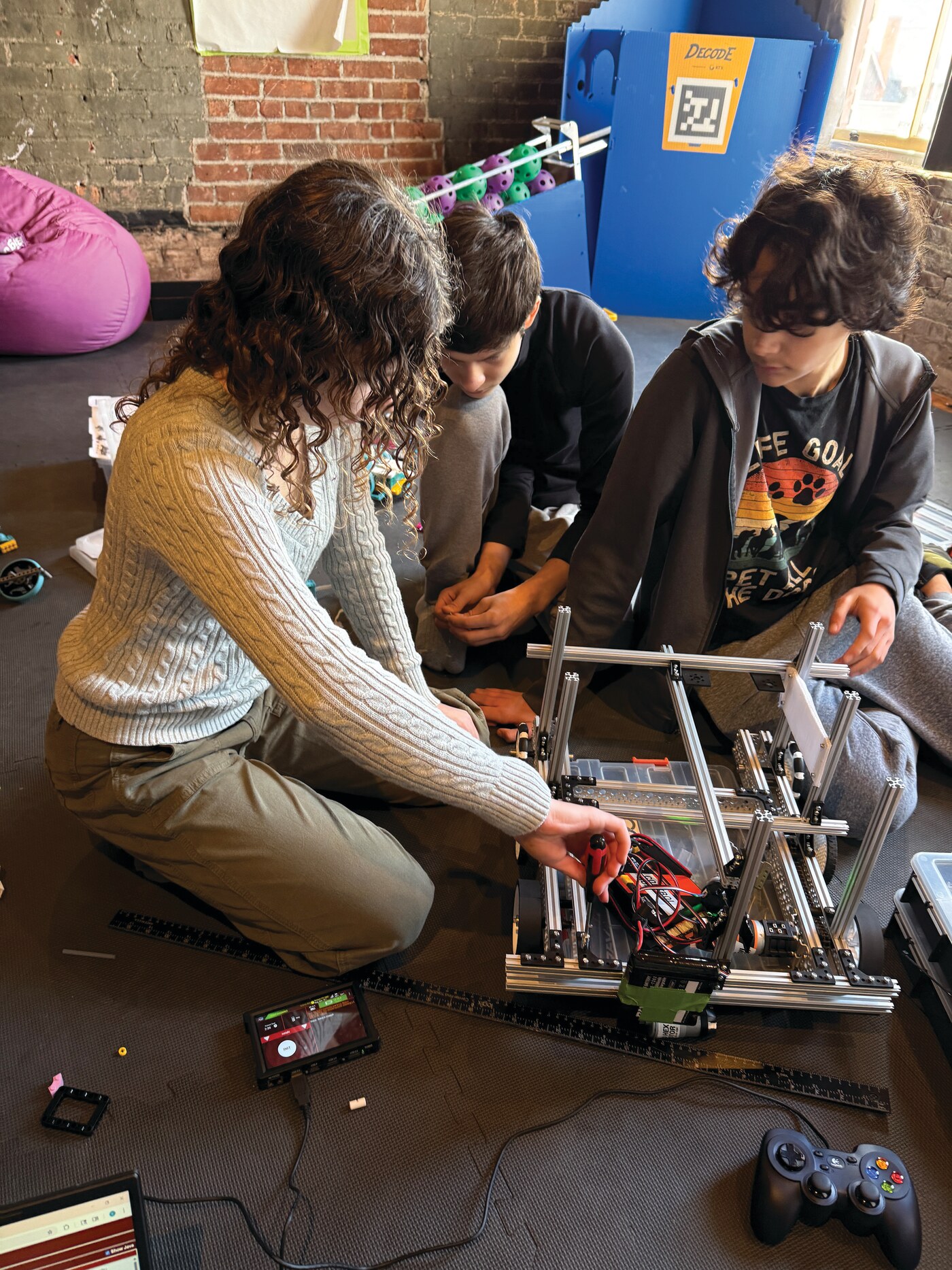
This reframing shifts attention toward long-term mentorship, equitable access to resources, and sustained community building. It highlights the importance of informal learning spaces — after-school programs, youth centres, community arts initiatives — where experimentation can occur outside rigid assessment structures.
These spaces can function as creative ecologies. They are environments where ideas circulate, where feedback loops are active, and where identities evolve over time. However, they require intentional design and investment. Creativity does not flourish automatically: it depends on structures that balance freedom with guidance.
Toward a Culture of Possibility
Creative youth development is not solely about preparing future artists or innovators. It is about preparing citizens capable of imagining alternatives and contributing to their realisation.
When young people experience that their efforts can change something, even something small, they internalise a powerful lesson: the world is not finished. This insight lies at the heart of both sociocultural creativity research and Possibility Studies. Human beings do not simply adapt to given realities; they participate in shaping them. Young people, in particular, are often more open to alternatives precisely because they have not yet fully accepted existing constraints as inevitable.
Our responsibility, then, is not merely to encourage expression. It is to cultivate environments where disciplined creation, meaningful connection, and civic contribution intersect.
In doing so, creative youth development becomes more than a framework. It becomes a commitment to expanding what young people — and by extension, our societies — understand as possible.