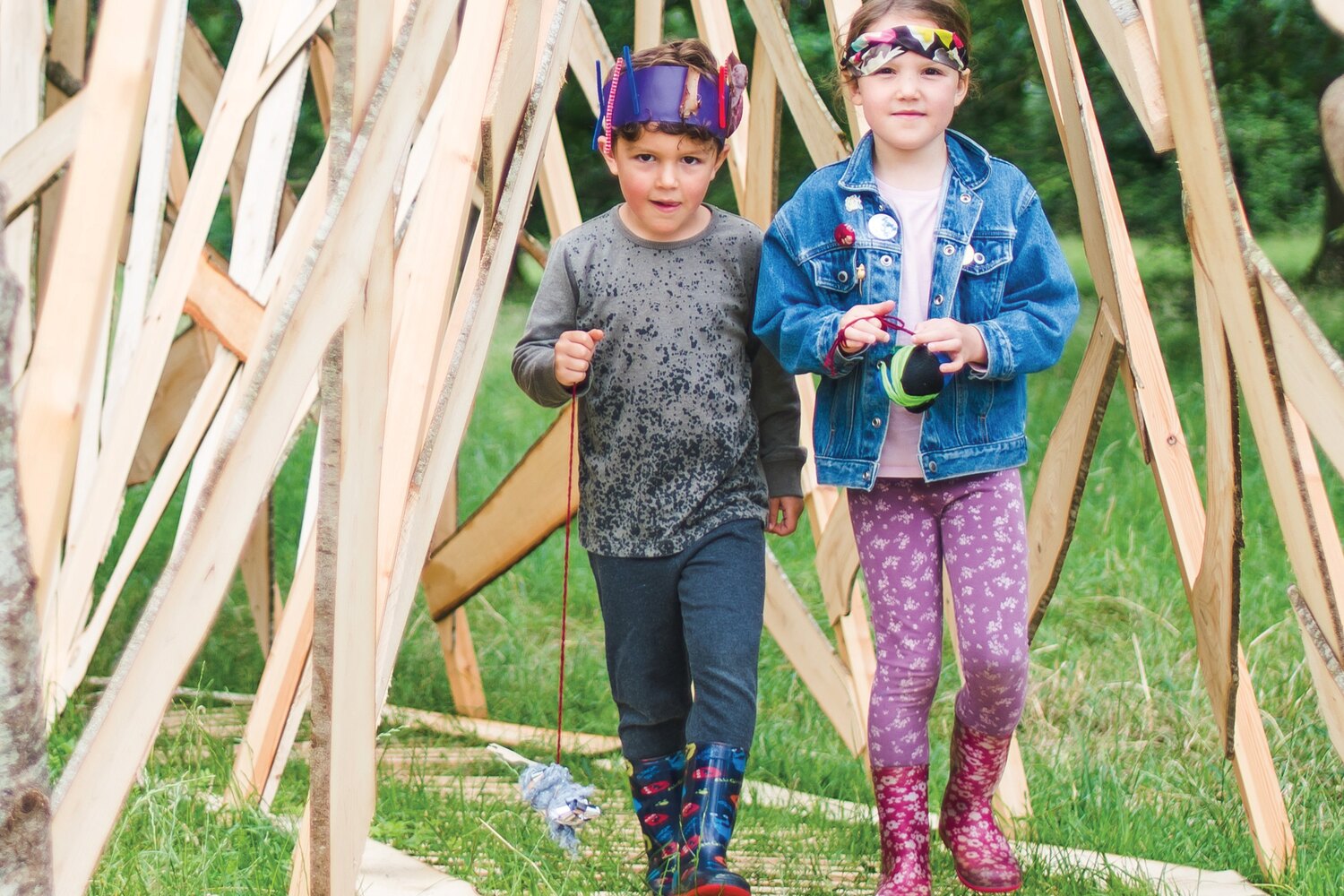
Forest of Imagination in Bath, United Kingdom, is a long-term public engagement and research project that reimagines familiar places as imaginative environments celebrating creativity, nature, and the arts. It invites everyone into a shared conversation about the value of imagination in our lives and foregrounds the role of collective ecological imagination in envisioning and co-creating alternative futures in response to the ecological emergency.
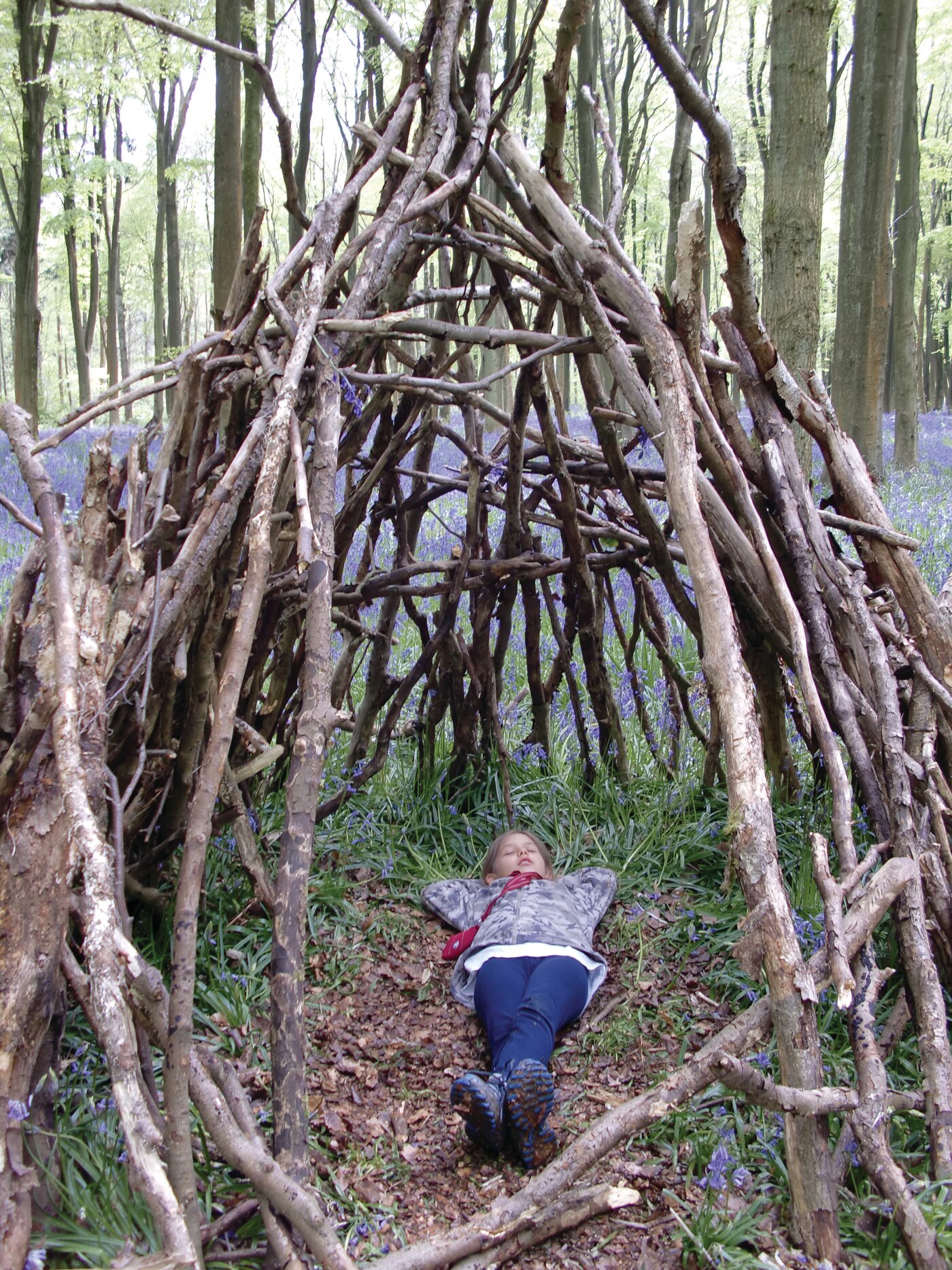
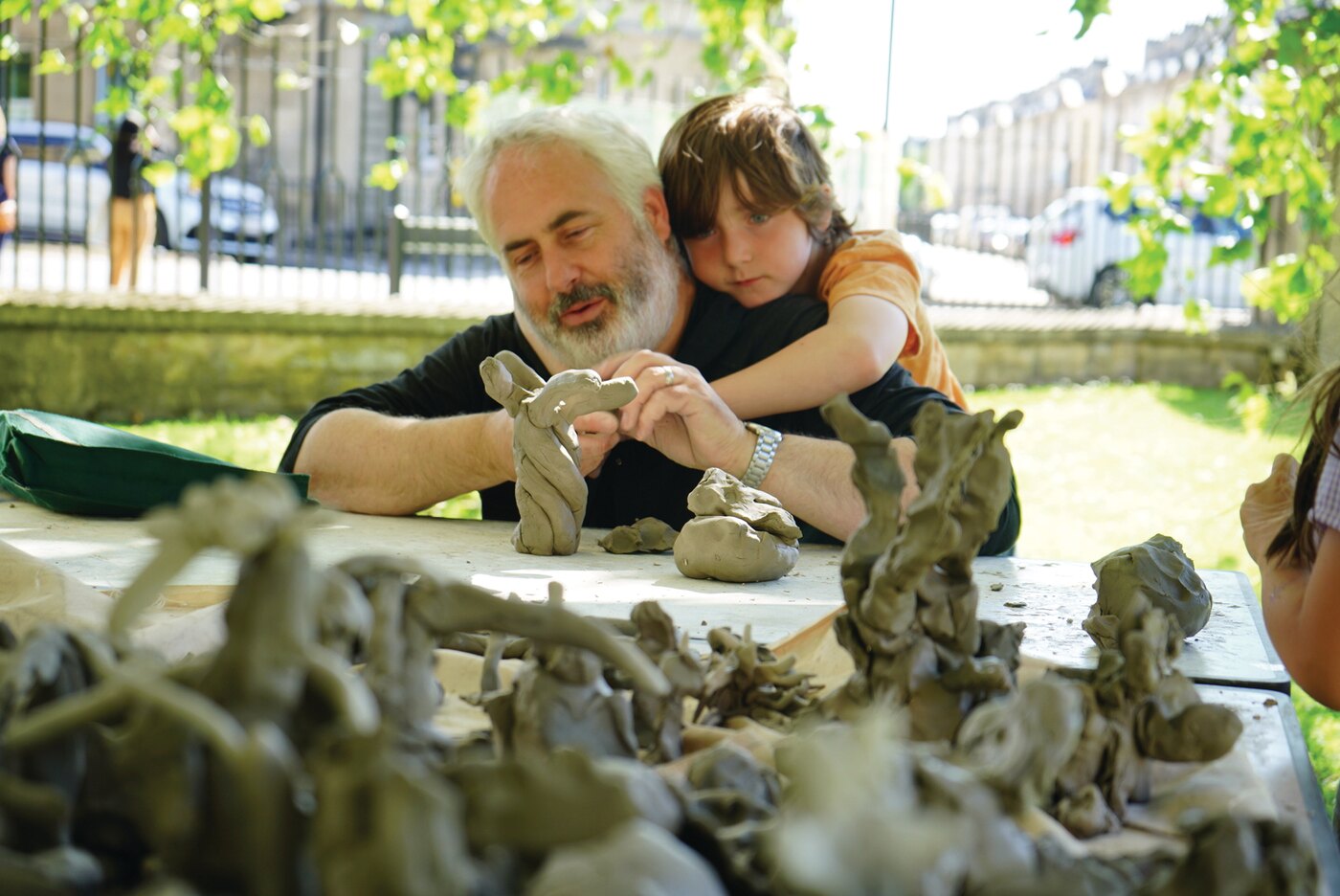
Forest of Imagination transforms public spaces into experimental pedagogical sites where artistic inquiry, environmental understanding, and collaborative learning intersect. As an open and participatory platform, it brings together artists, creative practitioners, educators, and community partners to design spaces that activate exploration and critical engagement with the local landscape. Through large-scale installations, sensory interventions, and creative provocations, Forest of Imagination offers children and young people new ways of encountering art and nature as interdependent dimensions of cultural life.
Creative practice and research within this context articulate an ecological and participatory model of learning in which children's imaginative development is inseparable from material, spatial, and multisensory engagement with the natural world. Hands-on encounters with natural forms, open-ended making, and situated experiences of place enable children to cultivate creativity that is dialogic, embodied, and environmentally attuned. This aligns with contemporary theories that understand creativity as a distributed and relational practice emerging from engagement with people, materials, and ecological contexts (Chappell et al., 2024).
As a form of creative public pedagogy, Forest of Imagination generates a wider societal conversation about the role of creativity and imagination in everyday life.
Collaboration with artists, educators, and creative professionals creates a community of practice in which children negotiate meaning, exercise agency, and construct identity through shared aesthetic inquiry. These collective processes foster belonging and ecological citizenship, demonstrating imagination as a mode of participatory world-making. In doing so, the project reconfigures relationships between art, nature, and education, showing how creative agency can be nurtured through interdisciplinary and place-responsive practice.

The Arts and Nature Are Essential, Not Optional
Artistic activity in nature supports emotional regulation, identity formation, creative and imaginative capacities, and multisensory and empathic experience. Interdisciplinary research shows strong links between arts participation and psychological, cognitive, and physical health across the lifespan, while limited access to the arts is associated with reduced wellbeing and increased inequity (Fancourt, 2026). Forest of Imagination enacts these principles by offering publicly accessible, environmentally embedded arts experiences that support holistic development, wellbeing, and inclusion.
By positioning creativity and nature-based arts engagement as vital to children's lived experience, the project frames creativity as an essential educational and civic resource. It reinforces the arts' central role in cognitive, social, emotional, and ecological flourishing and contributes to growing evidence of the arts' capacity to nurture collective wellbeing and ecological awareness.
Imagining the Future of the Forgotten Land
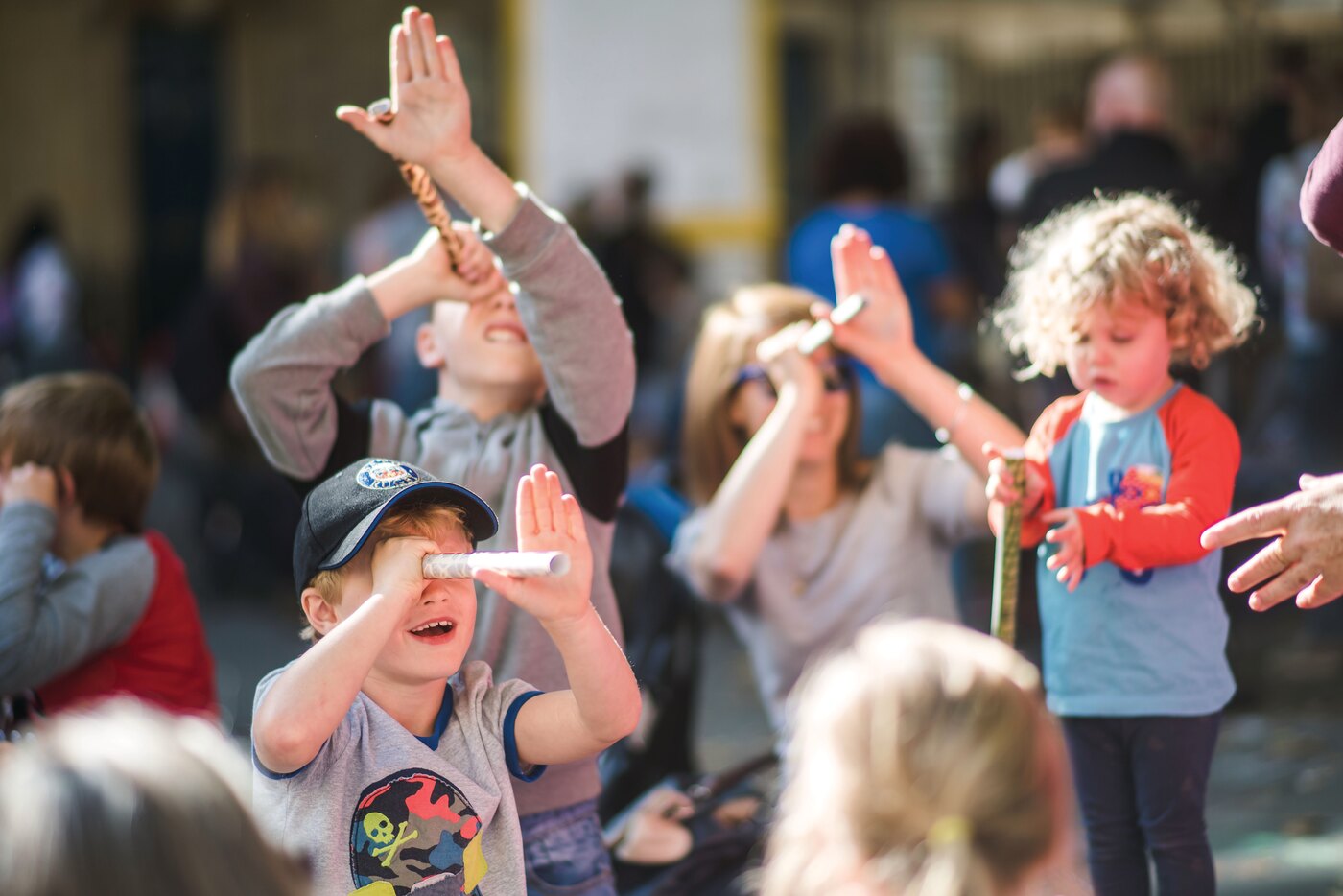
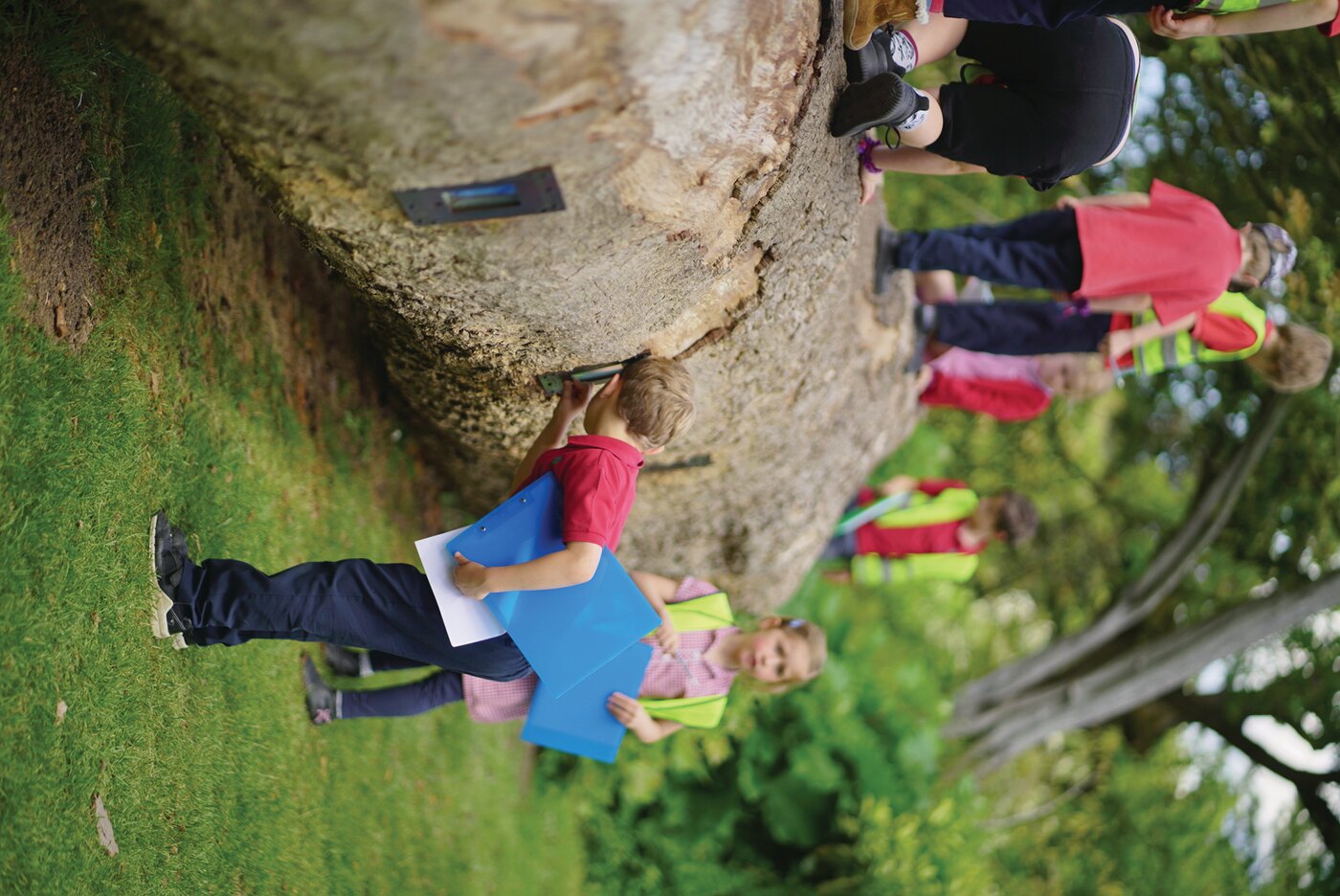
The recent pop-up event at Entry Hill Bath exemplified this community-centred process of co-design and creative participation, supported by the local Council. It served as a proof of concept for a longer-term vision — a permanent Forest of Imagination, an Arts, Nature, and Community park functioning as a living laboratory where art, ecology, and community converge. This vision highlights the civic role of the arts in driving transformation and innovation, and in championing social, environmental, and aesthetic justice.
Through immersive, embodied, and transdisciplinary practice, the project opens new spaces of possibility that effectively rewild education. Participants engage in everyday creativity through imaginative workshops and installations, working alongside artists and creative professionals to explore nature connection, agency, and social action. These processes nurture ecological consciousness, intergenerational hope, and creative activism, positioning nature as teacher and cultivating deep ecological empathy.
Forest of Imagination therefore operates simultaneously as public pedagogy and creative research, developing our collective ecological imagination. Learning emerges as a transdisciplinary encounter shaped by interactions with space, time, affect, aesthetics, environment, and human and more-than-human relationships. By encouraging multimodal expression through the arts and in nature, the project cultivates creative environments where people make meaning together in community.
A Long-Term Strategy
The long-term strategy focuses on nurturing creative partnerships for research, development, and advocacy, and on promoting reparative and restorative arts practices. Co-designing these sensory and place-responsive environments invites children and young people to explore the world around them through hands-on encounters. These in turn nurture curiosity, agency, and ecological awareness, showing how creativity flourishes when children engage directly with materials, landscapes, and one another.
To make this possible, policy makers need to recognise that dedicated spaces and places for arts and nature-rich programmes are essential community resources and vital infrastructures for children's learning, wellbeing, and imaginative futures. Thanks to the support of the local Council and the success of the event for the whole community, Forest of Imagination will be co-designed as a permanent Art, Nature, and Community Park in Bath.
With hope, delight, and joyful engagement with nature and the arts at its core, Forest of Imagination cultivates ecological citizenship and a shared commitment to reimagining our world/s.
You can see our recent film at forestofimagination.org.uk/foi-2025-film.