In the field of Creative Youth Development (CYD), data is often thought of as a technical obligation, a mechanism for counting participation, measuring outcomes, and reporting results to funders. At the 3C Data Alliance, we believe data can be used for much more than that. Data can strengthen relationships, amplify youth voices, bolster racial equity, and help organizations tell a fuller story about the lives of the young people that participate in their programs.
The 3C Data Alliance is a U.S.-based national community of CYD organizations with foundational shared values working together to build a collective data ecosystem designed specifically for our field. The "3C" stands for Create, Collaborate, and Catalyze, essential elements of the CYD field and the 3C Data Alliance. With lead partner DreamYard and in partnership with community-based organizations across the country, 3C provides a race equity- and youth-centered data platform that supports program management, outcomes measurement, and long-term impact research.
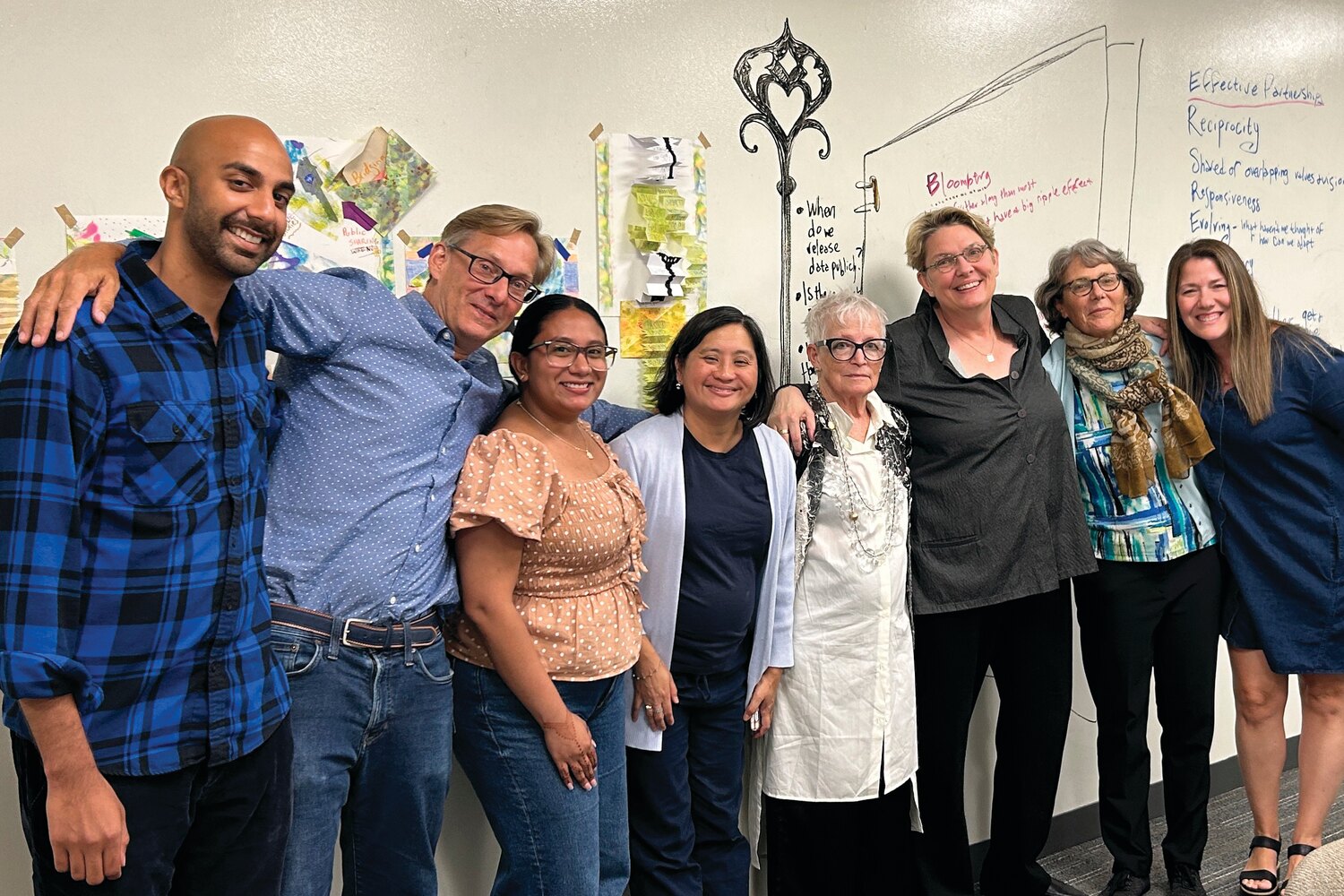
What makes the 3C Data Alliance different is that we are not only revolutionizing data management with CYD organizations, we are also building a thriving community of practice.
We are excited to share our learnings to date.
More Than a Data Platform
Over the past two years as member organizations have worked to design and implement the 3C system, one lesson has become unmistakably clear: the strength of 3C lies as much in its human infrastructure as in its technological infrastructure.
Many data systems focus primarily on efficiency, compliance, or reporting. 3C was designed with a different premise — that data and the use of it can become transformative when organizations learn together. Our monthly all-community meetings bring together the eight member organizations to share challenges, innovations, and discoveries. These gatherings create space for reflection that goes beyond technical troubleshooting. Organizations discuss questions such as: What data actually matters to young people? How can we collect information ethically? What are we learning about youth participation over time that we could not see before?
This collaborative process has generated new insights across the network. Organizations have fought for the ability to centralize data for many years, but often the complexity and the cost has historically created many barriers. The integrated 3C platform has enabled organizations to have a "one-stop-shop" for all of their data. So many of these organizations have reported increased efficiencies, as well as an entirely new understanding of participant engagement. Others have reported that streamlined attendance and reporting functions free staff time for deeper relationship-building with youth and families, which are outcomes that matter profoundly in CYD settings.
Another key tenet of the project is the importance placed on addressing the broader needs of the 3C community. For example, the growing use of Artificial Intelligence (AI) in our field puts youth data in the hands of large corporations. 3C acknowledges the risks and benefits of AI, and supports our community organizations as they grapple with AI usage. To set an example and provide reassurance, 3C created an AI policy in alignment with our values and with respect for the privacy of youth and organizations. This policy establishes guidelines for the responsible, ethical, and secure use of AI tools within the 3C Data Alliance. AI may enhance efficiency and decision-making, but must be used in ways that align with our mission, values, and legal obligations.
At its core, 3C recognizes that effective technology and data systems must strengthen community, not place it at risk.

Centering Youth Voice as Co-Designers, Not Subjects
Perhaps the most defining feature of the 3C Data Alliance is the role young people play in shaping the system itself. In many evaluation models, youth are respondents. They complete surveys, provide testimonials, and contribute data points. In 3C, the young people are architects.
Through the 3C Youth Ambassador Program, young people ages 14–22 from member organizations actively co-design tools and systems. Youth Ambassadors have defined membership structures for the Youth Ambassador program, advised on the design and language of surveys, and shaped the development of the Youth Portal.
The Youth Portal is a major innovation that will allow young people to access and use their own data. The portal represents a fundamental shift in power. Instead of data being extracted from young people and interpreted solely by adults, the young people will be able to view their own growth trajectories, document artistic portfolios, and use their records to tell their own stories as they pursue education, careers, and creative pathways.
Youth Ambassadors have also advocated for features adults might overlook such as communication tools between staff and youth, bulletin boards for community resources, and accessibility-centered design choices that make the platform welcoming and relevant to young people.
This is not symbolic participation. It is structural leadership.
Racial Equity as a Design Principle, Not an Add-On
Racial equity is not a supplemental value within 3C. It is embedded into the system's foundation. From the beginning, the 3C Data Alliance was built in recognition that conventional data systems often reproduce inequities. Standardized metrics may fail to capture the lived realities of young people of color, multilingual families, immigrant communities, or youth navigating unstable housing and interrupted schooling.
3C addresses this by incorporating a deep level of inquiry into system design. Member organizations regularly engage in dialogue about the ethics of data collection: What demographic information should be collected? How do we balance privacy with impact measurement? How can organizations responsibly gather data about race, ethnicity, language, and community context without reinforcing harm?
The 3C Data System can help organizations uncover inequities that were previously invisible. For example, tracking attendance patterns can reveal how housing instability, transportation barriers, and school disengagement affect participation in Creative Youth Development programming. These insights can enable organizations to respond more effectively to the needs of their youth participants and communities.
In this way, 3C transforms data from an administrative exercise into a tool for equity-informed action.

Building Collective Impact Across the CYD Field
Another defining feature of 3C is its U.S.-based national CYD data community. CYD organizations often work in isolation, each building separate systems with zero interoperability. 3C changes that dynamic by offering opportunities for shared implementation strategies and best practices, while also developing a Youth Impact Survey with common indicators and shared outcomes across organizations.
This means that as 3C grows from eight organizations to fifteen, twenty, and beyond, the collective dataset becomes increasingly powerful. Aggregated nationally in the U.S., this information can help the CYD field demonstrate patterns of impact at a scale that has historically been difficult to document. It also provides an opportunity to change the way the field advocates and collaborates with other sectors.
When organizations can combine evidence across cities, disciplines, and youth populations, they gain stronger tools to influence policy, attract investment, and demonstrate the long-term value of CYD as a strategy for workforce readiness, belonging, and social-emotional development.
3C is already preparing for this next phase. In 2027, 3C will expand to include additional CYD organizations, while building toward longitudinal research that tracks youth outcomes over time. Importantly, young people themselves will help shape that research.
A Model for Sustainable Field Leadership
As 3C evolves, we are intentionally building systems for sustainability by expanding staffing capacity, developing tiered membership models to broaden impact, mentoring new cohorts through existing members, and documenting our processes so the field can learn from this work. This deliberate growth reflects another core belief that strong nonprofit systems require thoughtful transitions, resilient leadership structures, and shared stewardship.
The future of CYD depends on more than compelling programs. It depends on our ability to generate evidence that reflects our values, honors youth expertise, and advances social justice. That is what the 3C Data Alliance is building. Not just better data, but a better way of learning together.
In a field centered on creativity, voice, and transformation, our data systems should embody those same principles. 3C is proving that we can.
To learn more about the 3C Data Alliance, visit 3CDataAlliance.org.