Where It All Comes From
Something happens when you put people who care about the same things in the same room for the first time. Ideas arrive that neither person could have had alone. Plans that would have taken months through email get sketched on a napkin in an hour. And sometimes, friendships form that carry those plans forward for years.
When was the last time someone from a country you rarely think about changed how you see a problem you thought you understood?
That is the experience that underpins everything the Youth Congress for Sustainable Americas (YCSA) has built since 2017. Not a platform, not a report, not a metric, though we have all of those. A network of people who trust each other across borders and find ways to build together.
This article is an attempt to explain what that looks like in practice, why the moment we are in makes it both harder and more urgent, and how you, reading this, might be part of what comes next.
Who We Are, Really
The YCSA, launched in 2017 through a partnership between the Biennial of the Americas and The Nature Conservancy, is often described as a network of young environmental leaders. That is technically accurate, but it misses the texture.
Our delegates are not all environmentalists in the traditional sense. Some are advisors and consultants. Some are politicians. Some are mothers and fathers building businesses. Some work on sustainable cities, ocean conservation, mangrove restoration, gender equity, indigenous rights, education technology, cultural diplomacy, and formal and informal research. What connects them is a shared conviction that the world they are inheriting is worth fighting for, and that you can do something real about it from wherever you are.
Today the YCSA has active representatives in 19 countries across the hemisphere. Our goal for 2026 is to reach 35 countries, the full Americas and Caribbean Region 1. That includes territories that are often invisible in regional conversations: English and French-speaking Caribbean islands, Dutch overseas territories, small island states that are among the most climate-vulnerable places on Earth but are rarely centered in the decisions that affect them most. YCSA representatives range in age from 18–35, including many young people ages 18–24 participating in decisions and leading initiatives.
My Journey of Creative Collaboration through YCSA
I joined the YCSA in 2019 as a delegate and became Youth Congress Manager in 2024. Those five years are not just a professional trajectory. They are the story of some of the most important relationships in my life.
Local action is what makes global agreements mean something.
We are a diverse group who work within cities, coastlines, classrooms, cooperatives, and government offices. What we share is a belief that the crisis is real, that local action is what makes global agreements mean something, and that if we stay connected, we can help each other do more than any of us could alone.
I miss these people when we are apart. And every time we manage to meet in person, new things happen that would not have happened any other way.
Through this network I co-created Sié Waka, a social enterprise between Mexico and Colombia that builds citizen water quality sensor modules to help communities monitor their water and hold authorities accountable. That project was born from a conversation at a YCSA meeting in Denver, the kind that only happens when you are in a room together, sharing meals and frustrations and dreams. And it is not the only thing that was born that way. That is why building the conditions for more of those moments is, to me, the most important thing the YCSA does.
Eight Years of Youth-Led Impact: What the Numbers Actually Show
Since 2021, YCSA's Youth Accelerator Grant (YAG) program has funded projects across multiple years and countries. In the 2021 Pilot Project Fund, USD $6,500 was granted to four winning projects in four countries. Those projects generated 18 workshops, trained 187 people, created 1,000 urban gardens, planted 100,000 seedlings, and positively impacted 1,000 people indirectly. Seventy-five percent of the winners were women.
In 2022, YCSA funded four more projects, and by 2024, two additional youth-led initiatives were selected and implemented. In Argentina, a Patagonian ecological restoration project reached over 73 students and more than 450 older adults through a collaboration with PAMI, tripling its outreach target. In northern Mexico, a circular economy initiative converted over 2,000 kg of agave waste into sustainable goods, trained 12 women who are heads of household, created 3 part-time jobs, and registered the "Consume Rural" cooperative.
Across all YAG cycles, the program has funded 7 or more sustainability projects in 8 or more countries, with a projected reach of over 25,000 people served. Each project is connected to a delegate who remains in the network, carries the learning back to their territory, and often becomes a mentor to the next cohort.
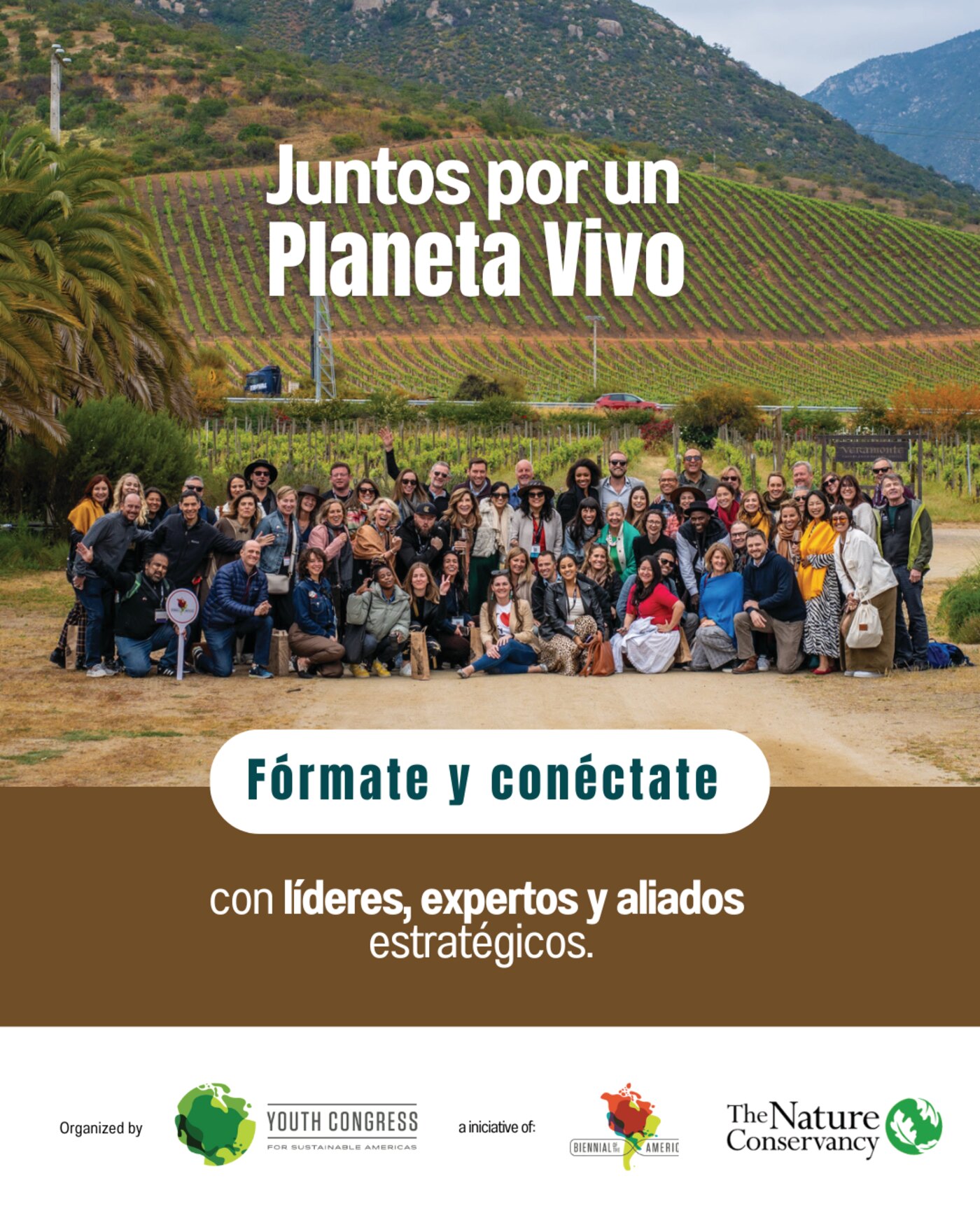
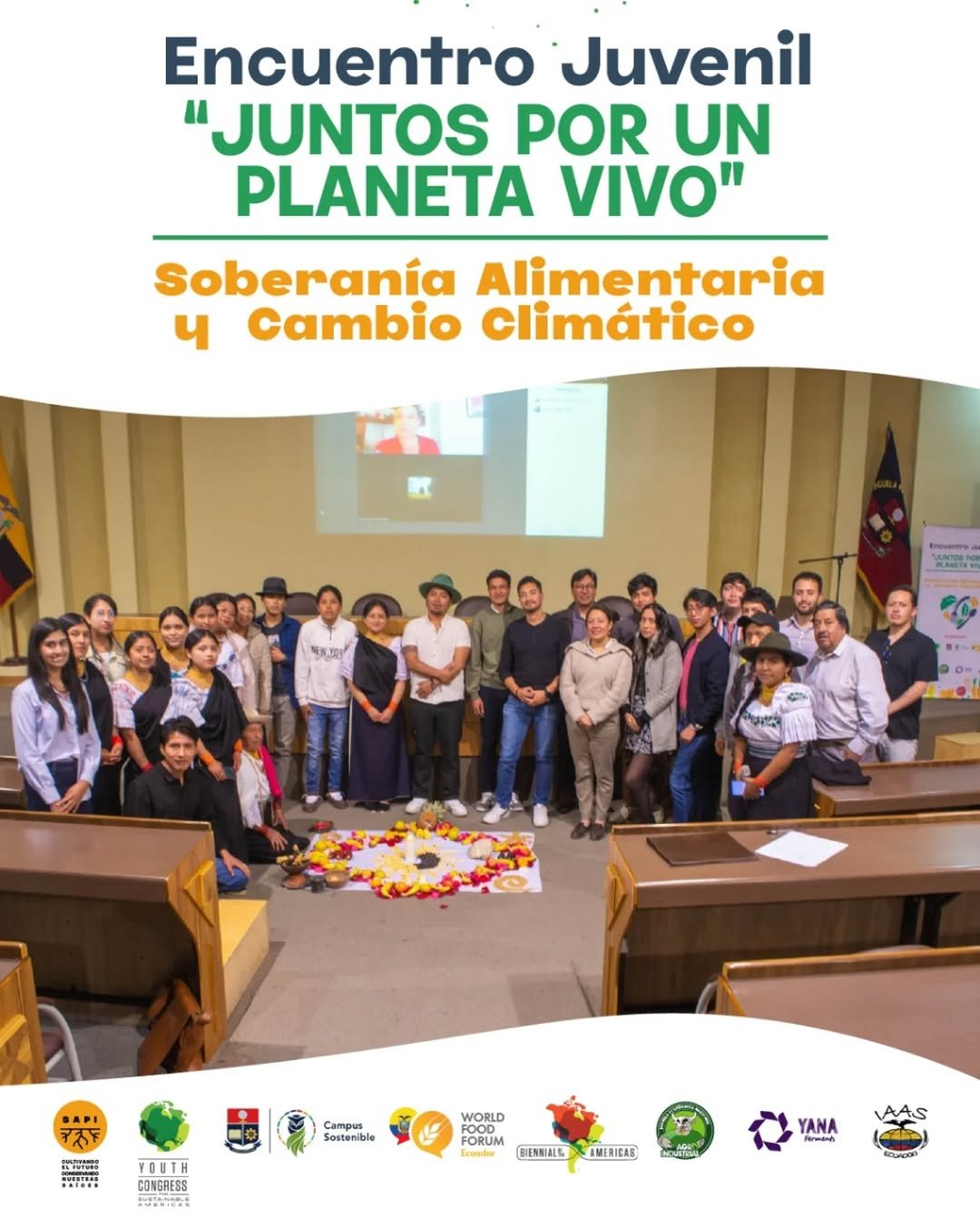
In parallel, our "Juntos por un Planeta Vivo" (Together for a Living Planet) campaign engaged approximately 500 people directly across 6 countries in 2025: Colombia, Brazil, Mexico, Argentina, El Salvador, and Ecuador. Delegates organized local climate action events, built alliances with universities and grassroots organizations, and developed policy documents aimed at COP30.
Youth and Young Adults on Global Stages, With Community Roots
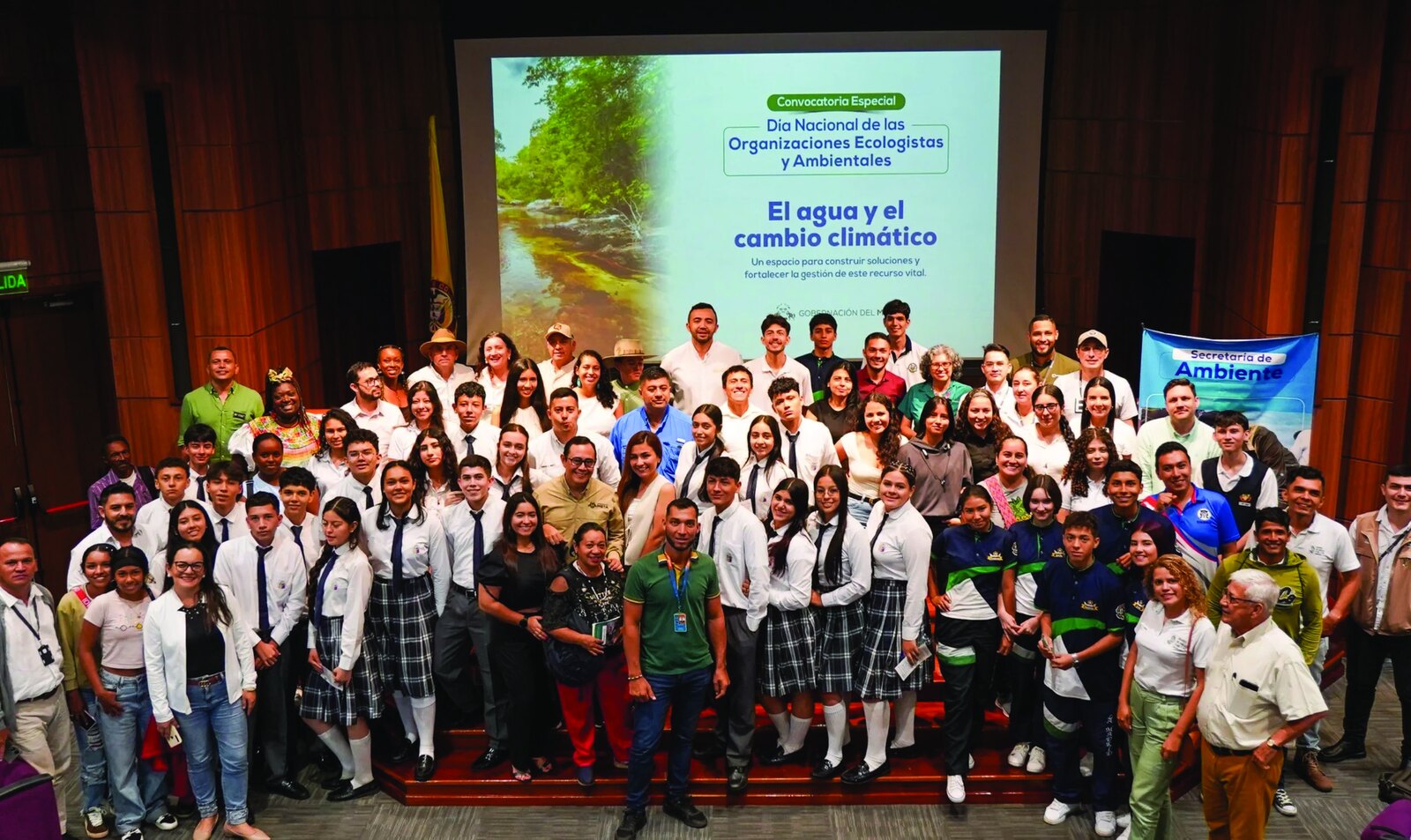
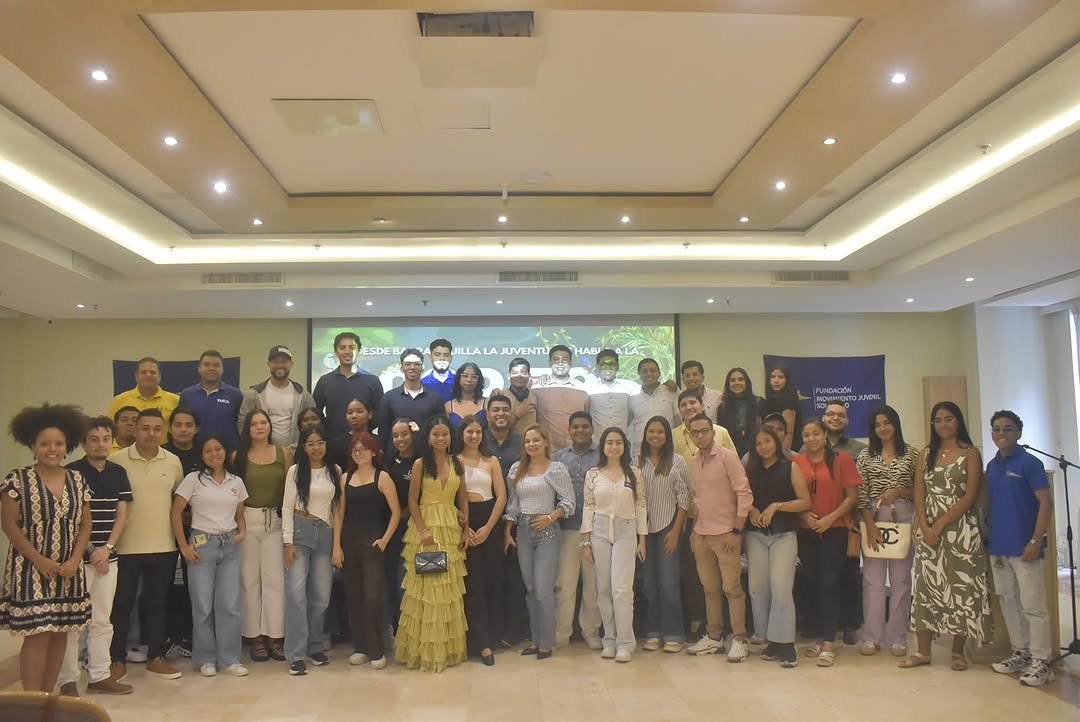
2025 was one of the most intense years for the YCSA's international presence. At the Salazar Center International Symposium for Conservation Impact in Vancouver in May 2025, four YCSA delegates co-organized a networking session and participated in a high-level closing panel. We hosted an official side event at Ramsar COP15 on Wetlands in Zimbabwe, participated in the OECD Local Development Forum in Barranquilla, Colombia (July 8–11), and were present at COP30 in Belém, Brazil, and the X Youth Forum of the OAS in the Dominican Republic.
The YCSA now holds observer status at both the Convention on Biological Diversity and the UN Convention to Combat Desertification. For 2026, we are preparing to engage with UNCCD COP17 in Ulaanbaatar (August 2026), COP31 under the UNFCCC in Türkiye, and the CBD process. Experts are calling 2026 a "quadruple COP year," with the three Rio Conventions and the first COP of the High Seas Treaty all converging.
These spaces matter because young people are systematically absent from the rooms where decisions are made. According to a UNICEF U-Report survey, 65% of young activists in Latin America and the Caribbean say they have never been included in climate and environmental public policy decisions. YCSA is part of the collective effort to change that reality, one participant at a time.
When Funding and Solidarity Both Shrink
YCSA is providing essential leadership and achieving meaningful impact. However, the context we are operating in is difficult, and it is getting harder.
On January 7, 2026, the Trump administration signed an executive order withdrawing from 66 international organizations, including the UNFCCC, the IPCC, the WHO, and UNESCO. This came alongside the closure of USAID and deep cuts in international climate finance. According to the OECD, overseas development aid is expected to decline by 9 to 17% in 2025 on top of prior reductions.
Simultaneously, major corporations have been rapidly dismantling their Diversity, Equity, and Inclusion (DEI) and Corporate Social Responsibility (CSR) departments, under political and legal pressure. Many of the organizations that historically funded youth-led sustainability work, including YCSA, have lost those partnerships. A UNICEF–ECLAC report published in August 2025 warned that at least 5.9 million more young people in Latin America and the Caribbean could fall into poverty by 2030 due to climate change impacts.
These policy changes and budget cuts hit YCSA directly. Running a continental network, supporting active delegates across 19 countries, preparing for international forums, organizing in-person encounters require financial resources. And we want to say it plainly: virtual connections help, but they are not enough.
The relationships that produce real collaboration are built in person, in the same room, across languages and time zones and differences.
The friendships forged at COP30, at the OECD Forum in Barranquilla, at a side event in Zimbabwe — those are what turn networks into movements. That is why one of our priorities for 2026 is to organize a delegates' in-person encounter, and we are seeking support to make it happen.
What You Can Actually Do
If you are reading this as a professional, educator, coach, business owner, or investor, we invite you to share your expertise and access. Here are some real examples:
A YCSA delegate from Peru is navigating complex financial planning for a community-based organization and needs guidance on how to structure income streams and manage funds sustainably. A delegate from El Salvador is building a social enterprise and needs mentorship on how to grow a small business, formalize, attract clients, and price services. A delegate from Ecuador is trying to make her environmental organization financially self-sustaining and needs advice on grant writing, earned income strategies, and donor relations. A delegate from Trinidad and Tobago wants to deepen her knowledge in a specific technical area related to marine conservation and cannot access the training locally. A delegate from Colombia wants to connect with experts who can come to his territory and work alongside his community. A delegate from Haiti needs someone who can help carry expertise into a region that is rarely on the professional development map.
If any of those match something you know how to do, that is a contribution. Not a donation. A collaboration. Skills-based volunteering, mentorship, introductions to the right people, pro bono consulting for a few hours, a connection to someone in your network who can open a door. These things change trajectories.
For Organizations That Want to Build Something That Lasts
What would it mean for your organization to have a real partner in the field, not just a mention in a report, but someone who can show you where the work is actually happening?
For companies and institutions that are serious about their sustainability commitments, we offer something more than visibility. We offer alignment. When you partner with YCSA, you connect your objectives to measurable work in real territories, with real communities, tracked against indicators that matter: SDGs 4, 9, 11, 13, and 17, along with project-specific metrics like CO₂ reduction, water conservation, jobs created, and community engagement.
What we look for in partners is not a transaction but a relationship. Organizations willing to walk alongside these leaders across more than one cycle, to understand the work from the inside, and to see the value in having trusted allies in territories where their supply chains, their markets, or their values are already present.
Partnering with YCSA gives organizations direct access to a continental network of engaged youth leaders, the opportunity to send professionals as mentors or speakers, and visibility in events and publications that reach policymakers, multilateral institutions, and the next generation of decision-makers. It is an opportunity to be genuinely part of something.
We want partnerships that are durable. YCSA values relationships where we grow together, learn together, and can point to specific communities that changed because we worked side by side.
Growing the Network: New Countries, New Leaders
One of YCSA's clearest priorities for 2026 is expansion. We currently represent 19 countries. The Americas and Caribbean region has 35 countries. That gap represents communities without a delegate who can amplify their local work into regional and global conversations, young people who have never heard of YCSA, territories with no connection to the kind of peer learning and resource access our network provides.
We are actively looking to reach those territories, particularly in the Caribbean and Central America, where some of the most climate-vulnerable communities in the hemisphere are also among the most under-resourced for youth leadership development. English, French, and Dutch-speaking territories have often been left out of Spanish-language-dominant regional organizations, and we are committed to changing that.
There is another honest reality we must address: we will not be young forever. Leadership transitions are necessary and healthy, but they require intention. We need to continue attracting new young delegates who can learn from current leaders and eventually carry the network forward. Not just participants, but the next generation of organizers, managers, and movement builders.
The Harder Challenges: Gen Z, Distraction, and the Attention Economy
We also need to talk openly about something that is reshaping how we do our work: the generational shift in how young people engage.
Volunteerism among Gen Z is declining globally. Interest in long-horizon global challenges like climate change is competing with economic anxiety, information overload, and the constant pull of digital content designed to keep people scrolling rather than organizing. Artificial intelligence is producing enormous volumes of content about the world, but much of it reinforces abstraction rather than connection to specific, lived territories.
YCSA feels this. Sustaining deep, long-term commitment across a continent is genuinely hard. And we have to continually ask ourselves: how do we make participation feel meaningful and not just symbolic? How do we connect global frameworks to what a young person in Port-au-Prince or Georgetown or Castries actually cares about right now?
Our answer, imperfect as it is, has been to invest in relationships over platforms. To prioritize in-person encounters when we can. To let delegates lead their own local actions rather than execute a centralized script. When things are difficult, we do not project institutional optimism that nobody believes anyway. We are guided by authenticity.
Small Actions Are Not Invisible
Wars make headlines. Political withdrawals from international agreements make headlines. Corporate decisions to close sustainability departments make headlines. What does not make headlines is a group of women in Jalisco converting agave waste into income. Or a young person in Neuquén teaching elderly community members about native ecosystems. Or a delegate in Trinidad presenting her research at an international forum for the first time and realizing her voice belongs in that room.
These actions are not invisible. They are the foundation of everything else. According to an Advisory Opinion issued by the International Court of Justice in July 2025, states have legally binding obligations to prevent climate harm and protect the right to a clean, healthy environment. The legal architecture for climate accountability is being built. But it only holds if communities and territories are part of shaping it.
We do not always agree with the political decisions of our leaders. Honestly, sometimes we are deeply frustrated by them. But disengagement is not an option, because every space where youth are absent is a space where decisions are made without them.
The COPs, the regional forums, the local councils, even the school classrooms, they all need young people who understand what is at stake and are willing to say so.
Looking Ahead, With Clear Eyes
The world currently has more than 1.9 billion young people between the ages of 10 and 24, the largest youth generation in history. In Latin America and the Caribbean, these young people are not just the future. They are the present, already organizing, already building, already demanding to be heard.
As we write this in March 2026, we are preparing for a year packed with critical global spaces: UNCCD COP17, COP31, the CBD process, the first High Seas COP. We are deepening alliances with youth organizations across the region. We are working to expand our presence to 16 new countries. We are trying to organize a delegates' in-person encounter that will generate the next cycle of friendships, ideas, and projects. And we are looking for partners who understand that this kind of work — slow, relational, territorial, and hopeful — is exactly what this moment needs.