Welcome to this creative youth development-themed double issue of Extensions. In these pages, I am excited to bring together a global cross-section of expertise, presenting the insights of creativity researchers alongside the perspectives of young people, practitioners, and leaders to raise awareness and understanding of creative youth development worldwide. Youth authors in this issue include Dulce Soriano of DreamYard, who shares her poetry, and Kaho Takayama of Girl Scouts Japan, who reflects on her leadership journey within a creativity-focused programme. Their contributions move the conversation from theory to the tangible impact of this work, illustrating how creative confidence takes root in the lives of young people.
Global focus on developing young people’s creativity has reached a turning point, transitioning from a specialised interest to a critical priority in mainstream education and economic policy. This shift was underscored when the Organisation for Economic Co-operation and Development (OECD) conducted its inaugural assessment of creative thinking in 64 countries through the Programme for International Student Assessment (PISA) in 2022 (OECD, 2024). By measuring and studying these skills on a global scale, the OECD effectively signaled that creativity should be treated as a foundational capacity — one that is vital for innovation, problem-solving, well-being, and navigating an uncertain future.
International bodies and national governments alike now identify creativity as a core skill for the 21st century — from UNESCO to the World Economic Forum to the more than 100 countries that have formally codified creativity into their national education policies and curricula frameworks (World Economic Forum, 2025). The message is clear: creativity is no longer viewed as an optional, elective luxury; it is a global economic imperative, and nurturing young people’s creative development is essential for the future workforce.
What Is Creative Youth Development?
Creative Youth Development (CYD) is a holistic approach to deeply engaging young people through creativity to support them in thriving in all aspects of their lives (Montgomery, 2017, 2022). It combines the principles of positive youth development — an assets-based approach, caring relationships with peers and adults, and youth leadership and voice — with creative inquiry and hands-on skill-building in the arts, humanities, and sciences. CYD includes deep learning within these disciplines, centered in long-term, multi-generational relationships with teaching artists and mentors that foster belonging. CYD recognises young people as essential partners in creative communities, aligned in a shared commitment to racial equity and social justice. Fundamentally, it is concerned with the whole young person: not only what young people can make, but their overall well-being, capacity to thrive, and development as civic leaders. By fostering youth leadership and civic engagement, CYD amplifies the voices of young people, bolstering them in using their ingenuity to advocate for systemic change.
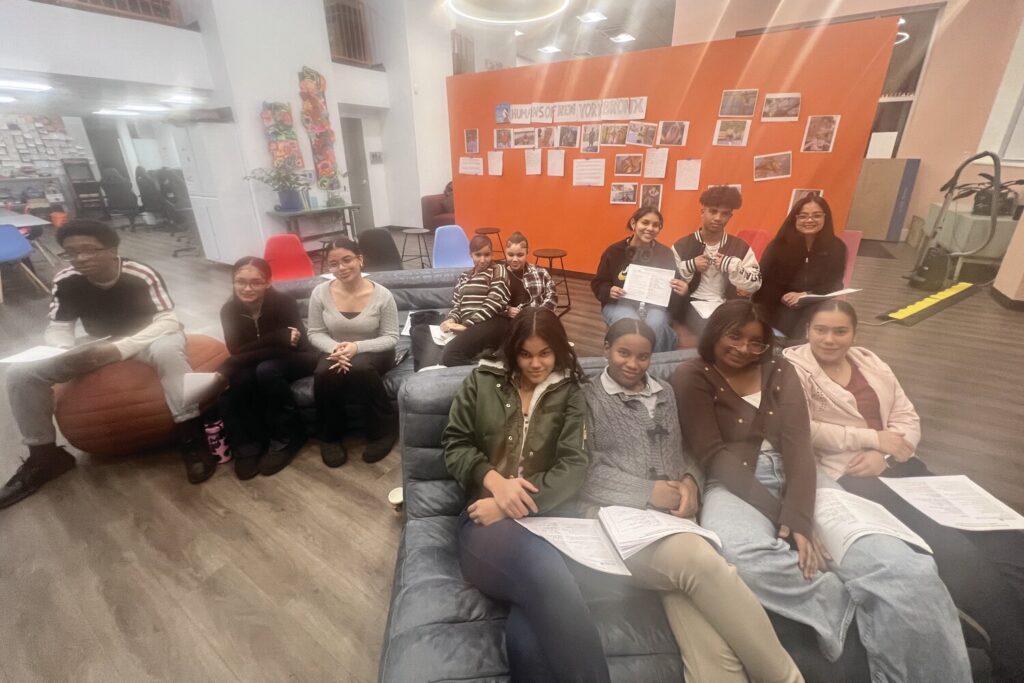
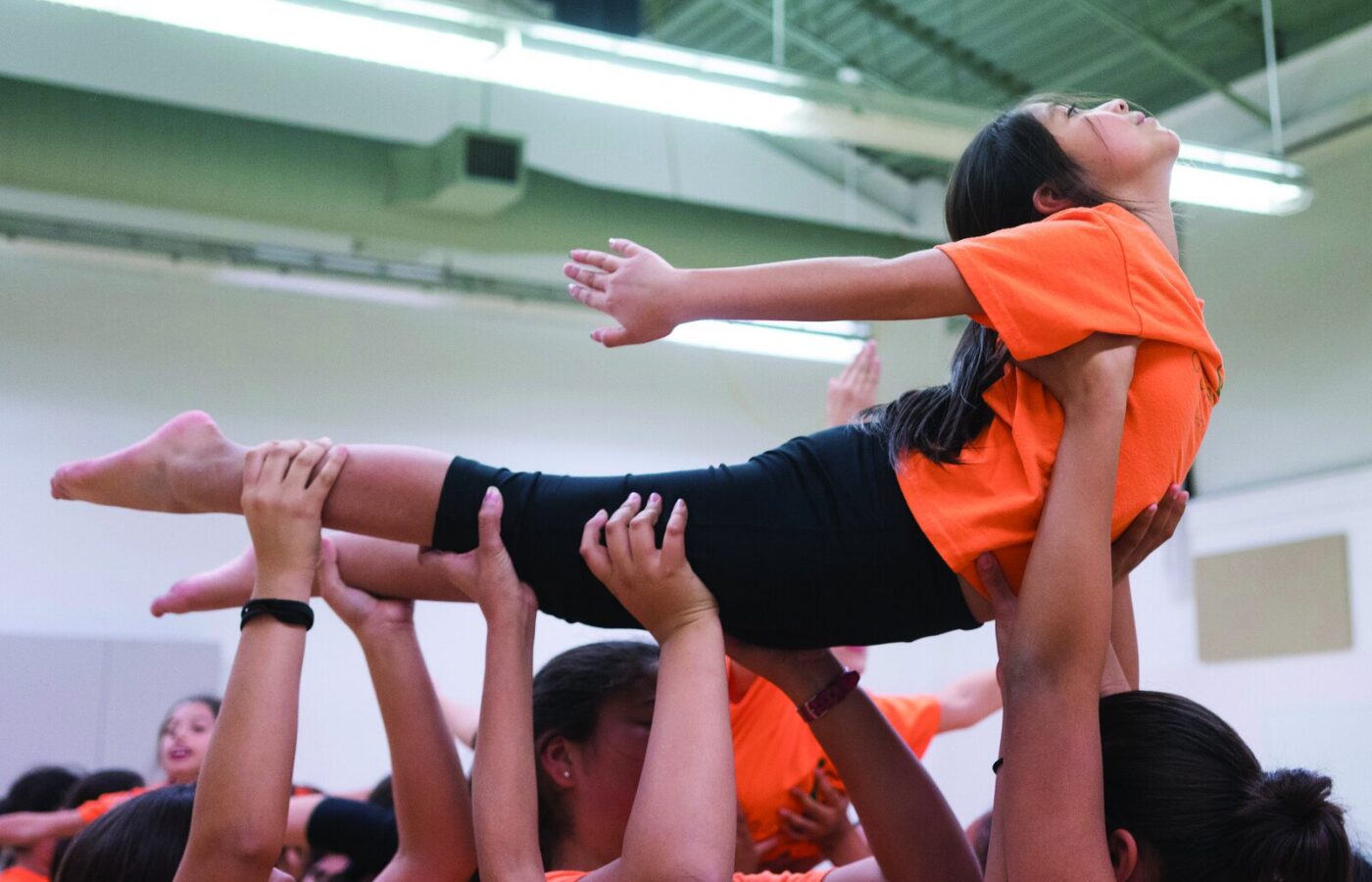
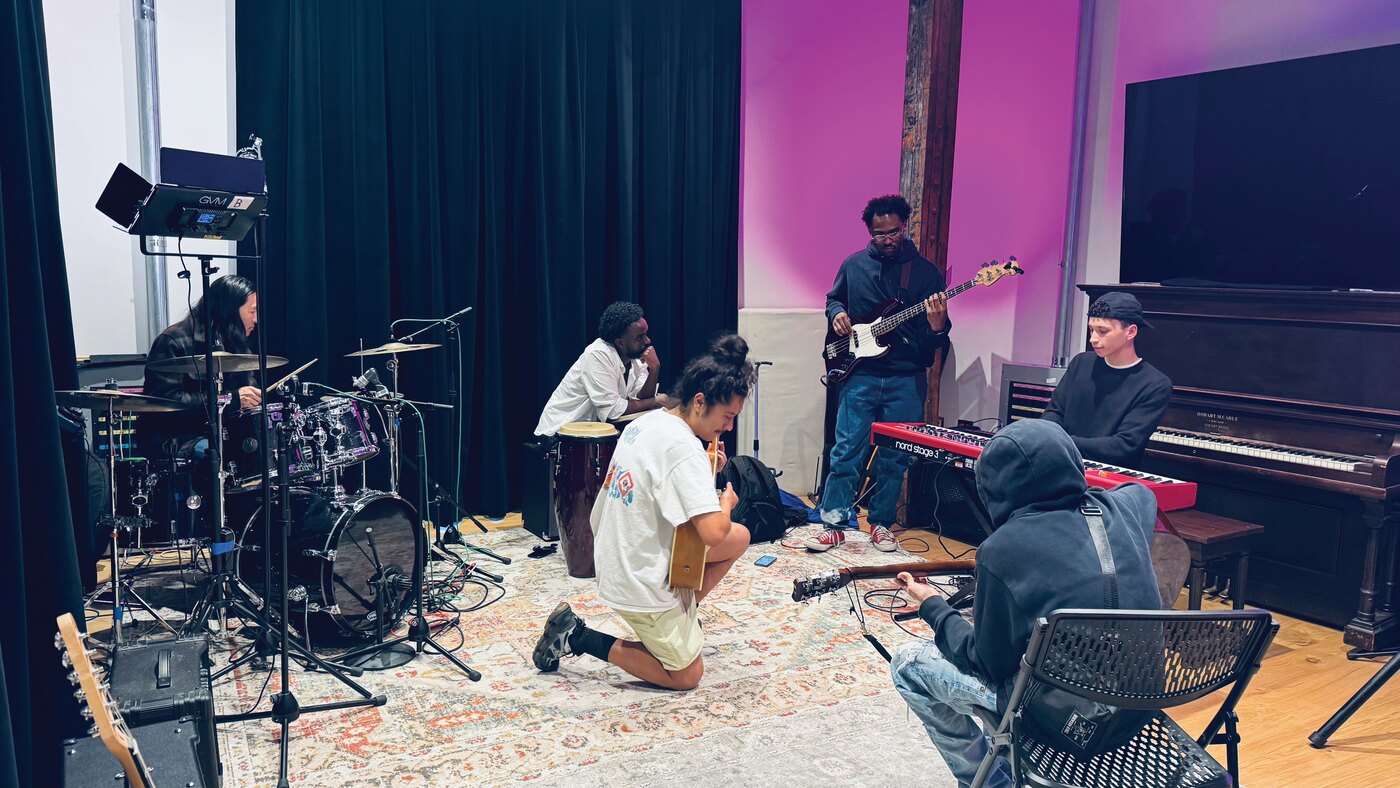
Creativity is the throughline. Across the diversity of creative youth development programmes — across art forms and disciplines, across settings ranging from community arts organisations and afterschool programmes to youth centers, libraries, and juvenile detention facilities, across continents and cultures — the common core is a commitment to nurturing young people’s creativity, and connecting their creative power to the world beyond the programme walls.
A framework for program design and evaluating quality is found in the Ten Dimensions of Powerful Arts Education Practice, authored by Lauren Stevenson and Sarah Crowell (2021). They outline ten core dimensions that characterize powerful creative learning environments:
- Safety — providing a physically and emotionally brave space.
- Belonging & Community — fostering deep, intersectional connections.
- Holistic Youth Development — centering the whole person, not just their output.
- Youth Voice & Leadership — ensuring youth genuinely co-author their programmes.
- Racial Equity & Social Justice — actively disrupting systemic inequities.
- Cultural Relevance & Responsiveness — honoring lived experiences and ancestral heritages.
- Excellence in Artistic/Creative Practice — offering high-level, rigorous skill-building.
- Community & Civic Engagement — connecting creative projects to real-world social change.
- Long-Term Engagement & Support — moving away from short-term “drop-in” models toward high-dosage, multi-year pathways.
- Material Resources & Ecosystem Support — ensuring teaching artists and youth have the institutional backing they need to thrive.
Complementing these dimensions of practice, the Create, Connect, Catalyse framework was originally developed by the U.S.-based former Creative Youth Development National Partnership as a reflection of the field, and it continues to serve as a touchstone (Creative Youth Development National Partnership, 2020).
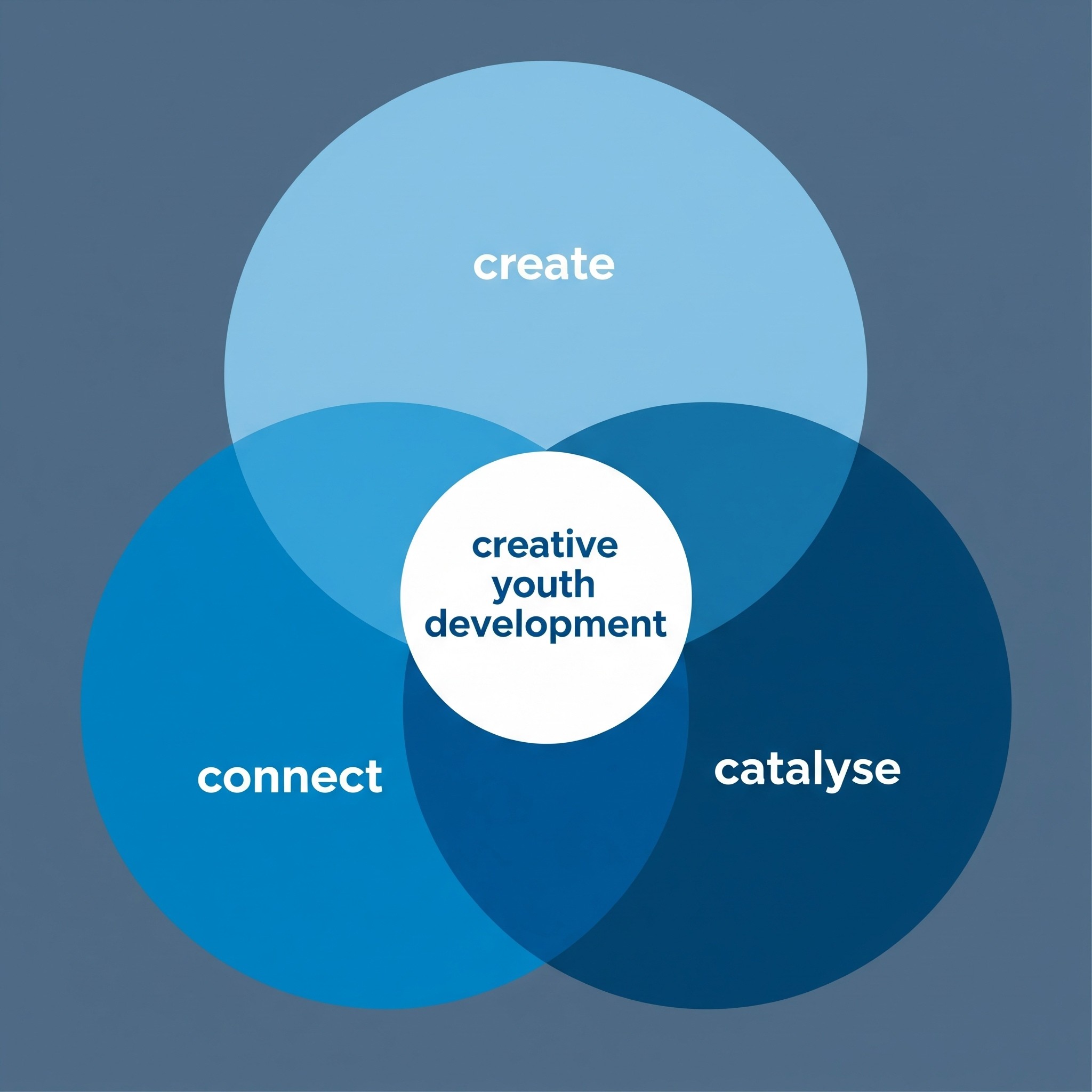
Create
Features hands-on skill-building with qualified mentors. Through creating, young people develop skills in artistic and scientific engagement, problem-solving, critical thinking, and expression. They develop creative self-efficacy — the belief that their creativity is something they can grow and act upon. In CYD programmes, youth develop the confidence to take creative risks and share their work with the world.
Connect
Places young people at the center of a creative community, with a strong focus on investing in relationships — with peers, caring adult mentors, and their broader communities. CYD programmes are high-dosage and built around long-term relationships.
Catalyse
Is about leadership development, civic engagement, and community contribution. Young people are offered ways to actively shape their own programmes and assume meaningful roles within the organisation. By applying their creativity to real issues and audiences, young people build civic confidence and agency. Within CYD, youth voice is valued as a vital asset for community progress.
Creative Youth Development Framework · Developed by the Creative Youth Development National Partnership
Creative youth development programmes feature paid, practicing professionals who bring both technical expertise and skill in working with young people. They provide safe spaces for creative risk-taking with a culture of high expectations and respect for creativity and creative expression. Many CYD programmes are tuition-free to eliminate that barrier to participation. CYD’s collaborative process culminates in public showcases, performances, and exhibitions where young people share their work and claim their place as creators in the world.
Interwoven with the fundamental tenets of Create, Connect, and Catalyse, CYD programmes often integrate mental health support, college and career readiness, workforce development, and essential life skills — such as communication, conflict resolution, and financial literacy. Some programmes address food insecurity and connect young people and families with housing resources.
In the creative youth development ecosystem, teaching artists and mentors are the “keystone species” (Akiva et al., 2021), providing the link between creative mastery and personal flourishing. As practicing professionals, they bring a technical rigor and mastery of craft delivered through a lens of relational care — a dual role that is uniquely magnetic to young people who are inspired by the skill of programme staff who care about them.
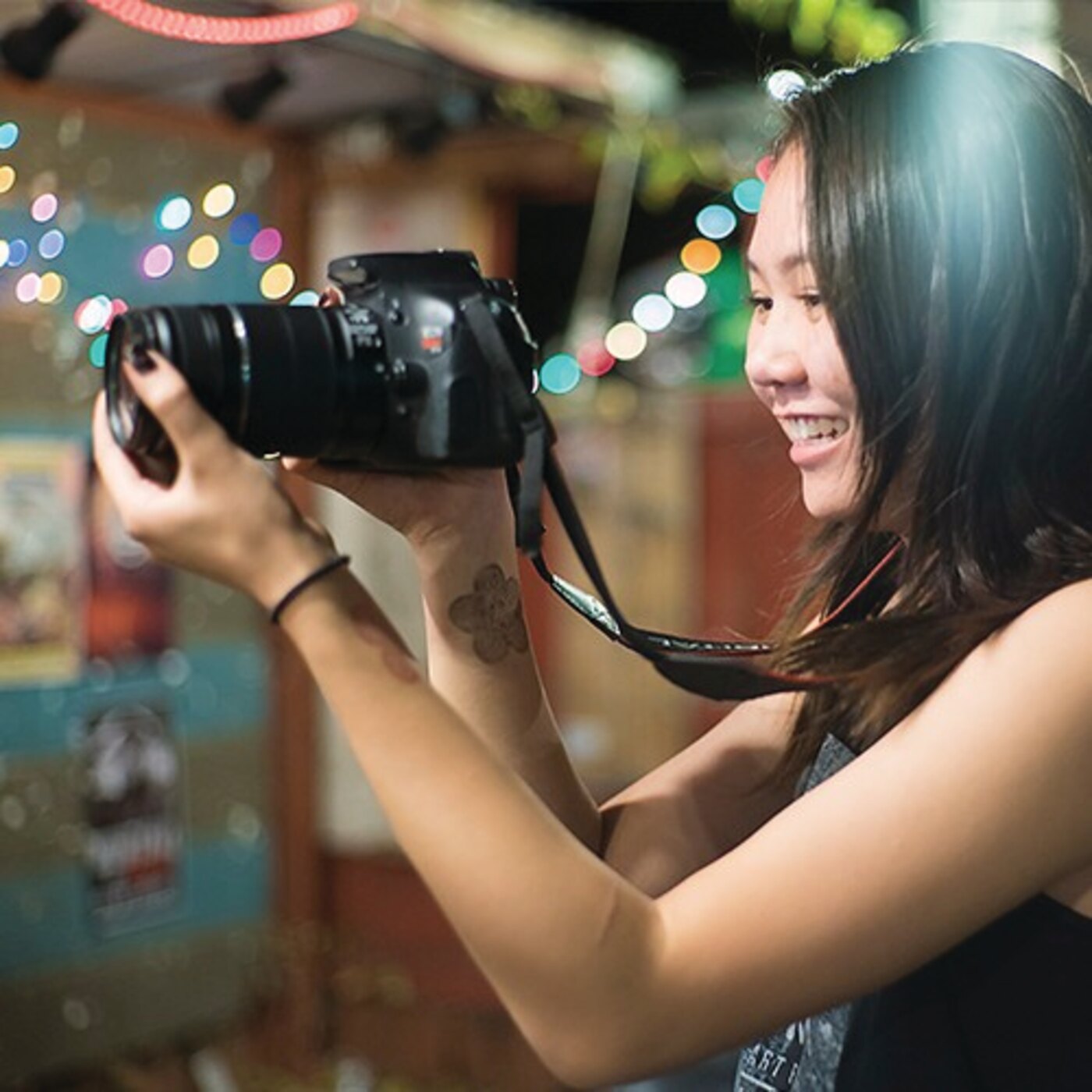
Creative youth development is nuanced in practice. Teaching artists and experienced science educators skilled in youth development are experts in co-designing engaging experiences with young people and in creating programme spaces that are psychologically safe and that instill belonging. They are engaged witnesses, collaborating with youth to amplify the brilliance young people inherently possess. As co-bridge builders, they work in solidarity with youth to expand pathways for civic leadership and community contribution.
What distinguishes the most effective CYD programmes is the intentionality of their design: a deliberate, ongoing cycle of designing, observing, listening, and refining.
It is this continuous reflective practice that allows programmes to expertly balance the integrity of the creative process with the excellence of the final product. By providing meaningful roles for young people and bridging their work to real-world issues, CYD programmes co-create brave spaces where young people build agency and see themselves as capable and valued creators.
A Field with Deep Historical Roots
The formal term “creative youth development” has gained prominence since it was coined in 2014, in collaboration with researcher Lauren Stevenson (Stevenson, 2014), prior to the first National Summit on Creative Youth Development in Boston, Massachusetts, United States. As a practice, CYD represents a modern coalescence of traditions and programmes that span centuries and continents. Therefore, it is not a recent invention, but rather a contemporary expression of long-standing global movements rooted in community stewardship and collective care. In the United States, its lineage includes the 19th-century Settlement House movement, where pioneers such as Jane Addams recognized creative expression as a fundamental right and a tool for social belonging, including among young people. Globally, CYD draws from a vast heritage of civil rights and liberation movements, where the arts have served for generations as a primary engine for civic action and cultural preservation.
This heritage is multidisciplinary, arising from a variety of foundations. Historically and globally, these precursors have taken many forms: they are found in the intersection of public health and communal storytelling, the blending of vocational mentorship with traditional craftsmanship, and the integration of youth in community-led civic advocacy. CYD’s roots include a long history of informal science exploration and STEM-based learning, where communities have engaged young people in understanding the natural world and solving technical challenges through creative inquiry. Rather than existing in isolation, these efforts reveal CYD as an historically integrative practice, one that naturally traverses sectors to address the holistic complexity of a young person’s life.
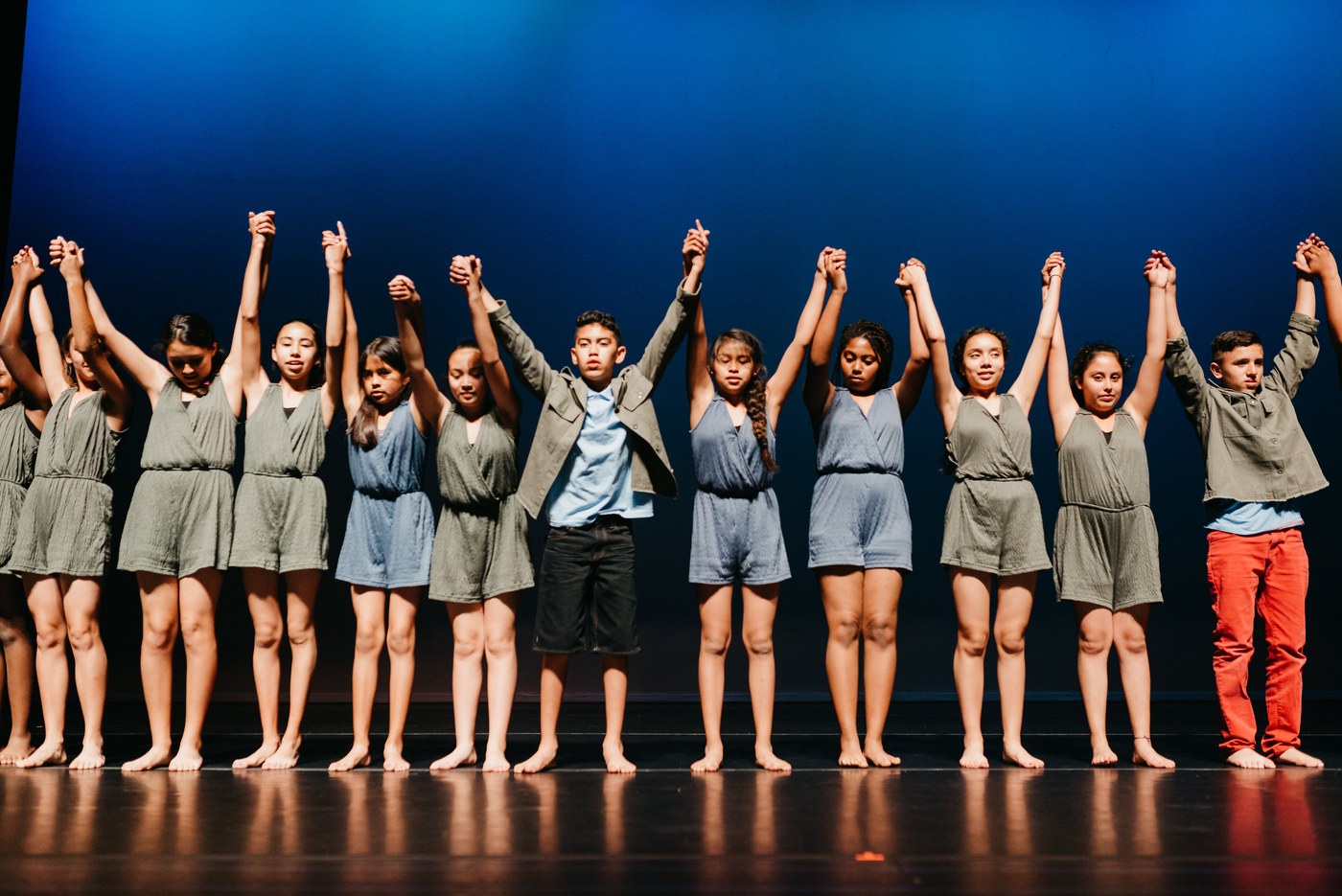
Creative youth development is informed by thousands of community-based efforts worldwide — from indigenous practices of oral tradition and mentorship to urban grassroots movements — that have long utilized the creative process to foster resilience and navigate social change. By acknowledging this history, we recognize that CYD is a generative continuation of the ways people have always used creativity to steward their own development and their collective future.
Why Creativity, Why Now?
In 1950, J.P. Guilford stood before the American Psychological Association and delivered a presidential address that would launch the modern field of creativity research. Titled simply Creativity, it critiqued the neglect of creativity as a subject of study and asserted that creativity is among the most important qualities of individuals — qualities that our educational practices and testing had largely failed to develop or even recognize. While Guilford’s vision was universal, he framed the immediate challenge for psychologists around children, prioritising the understanding and promotion of their creative development. Guilford’s observations about the thinking machines of his era proved remarkably prescient: he warned that as automation took over routine work, human creative capacity would become the singular value that machines could not replicate. More than seven decades later, in the age of artificial intelligence, his words resonate with new urgency.
Human creativity is as important as ever.
The broader world has taken notice — and has uncovered a concerning mindset. The results of OECD’s PISA evaluation on creative thinking, published in PISA 2022 Results (Volume III): Creative Minds, Creative Schools (OECD, 2024) and further elaborated in Seven Questions About Creativity and Creative Thinking: What Do PISA 2022 Data Tell Us? (OECD, 2025), reveal wide variation in creative thinking performance across and within countries — and a consistent finding that creative self-efficacy, the belief that one’s creativity can be developed, is positively linked to creative thinking performance.
Alarmingly, approximately one in two students worldwide believe creativity is a fixed trait — an innate talent they either have or lack. This misconception directly contradicts decades of foundational research demonstrating that creative thinking can be intentionally taught and cultivated, including in extended learning environments (Torrance, 1972). The prevalence of this fixed mindset presents a significant hurdle for learning, as students who view creativity as a static gift are less likely to engage in the persistent experimentation required for innovation.
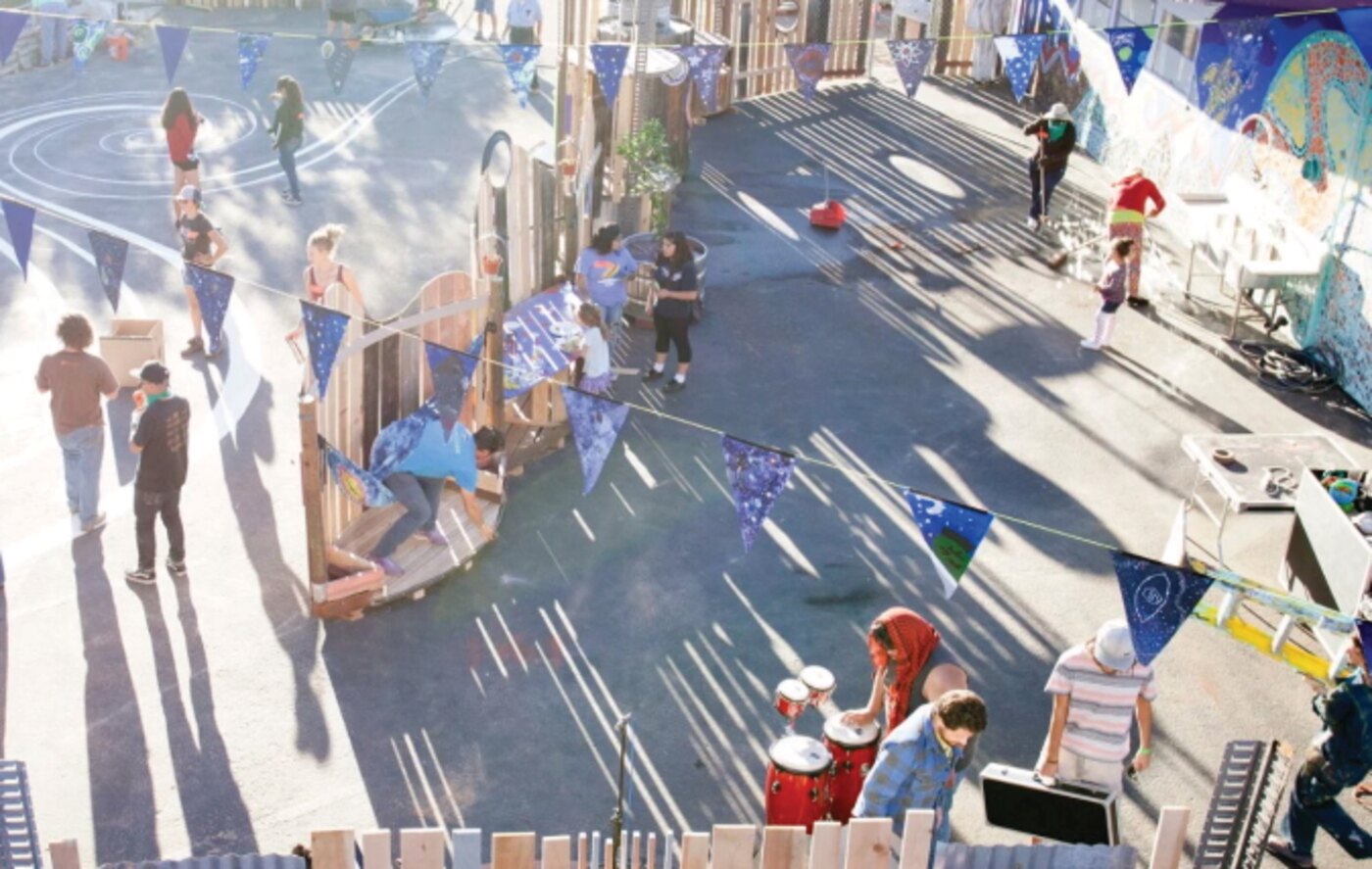
Notably, the 2024 OECD PISA report on creative thinking examines not only what happens inside classrooms but also in students’ broader environments, including the role of opportunities for creative engagement beyond formal schooling. OECD affirms the importance of the kinds of rich, intentional creative environments that extended learning and youth development programmes provide. In this issue of Extensions, psychologist and creativity scholar Zorana Ivcevic Pringle explores the interplay of supportive emotional environments — a hallmark of CYD — and the creative process. She offers insights into how emotional infrastructure supports youth in transforming their ideas into creative action.
With robust data, WEF’s New Economy Skills: Unlocking the Human Advantage report reinforces a critical shift toward prioritizing creativity, establishing creative thinking as the single most valued human capability by global workers and executives. The report underscores that as automation and artificial intelligence reshape the labor market, tasks requiring creativity, empathy, leadership, and curiosity have just a 13% potential for AI transformation. These uniquely human capabilities have become the primary drivers of economic value, precisely because they depend on judgment, context, and lived experience rather than machine processing (World Economic Forum, 2025).
In Open to Work: How to Get Ahead in the Age of AI (2026), LinkedIn executives Aneesh Raman and Ryan Roslansky analyze the shifting labor market. Mining their vast data on 67 million companies and 1.3 billion members, they synthesize macroeconomic trends with insights from neuroscience, sociology, and behavioral and organizational psychology. They argue that five human capabilities — curiosity, communication, compassion, creativity, and courage — are now critical hard skills.
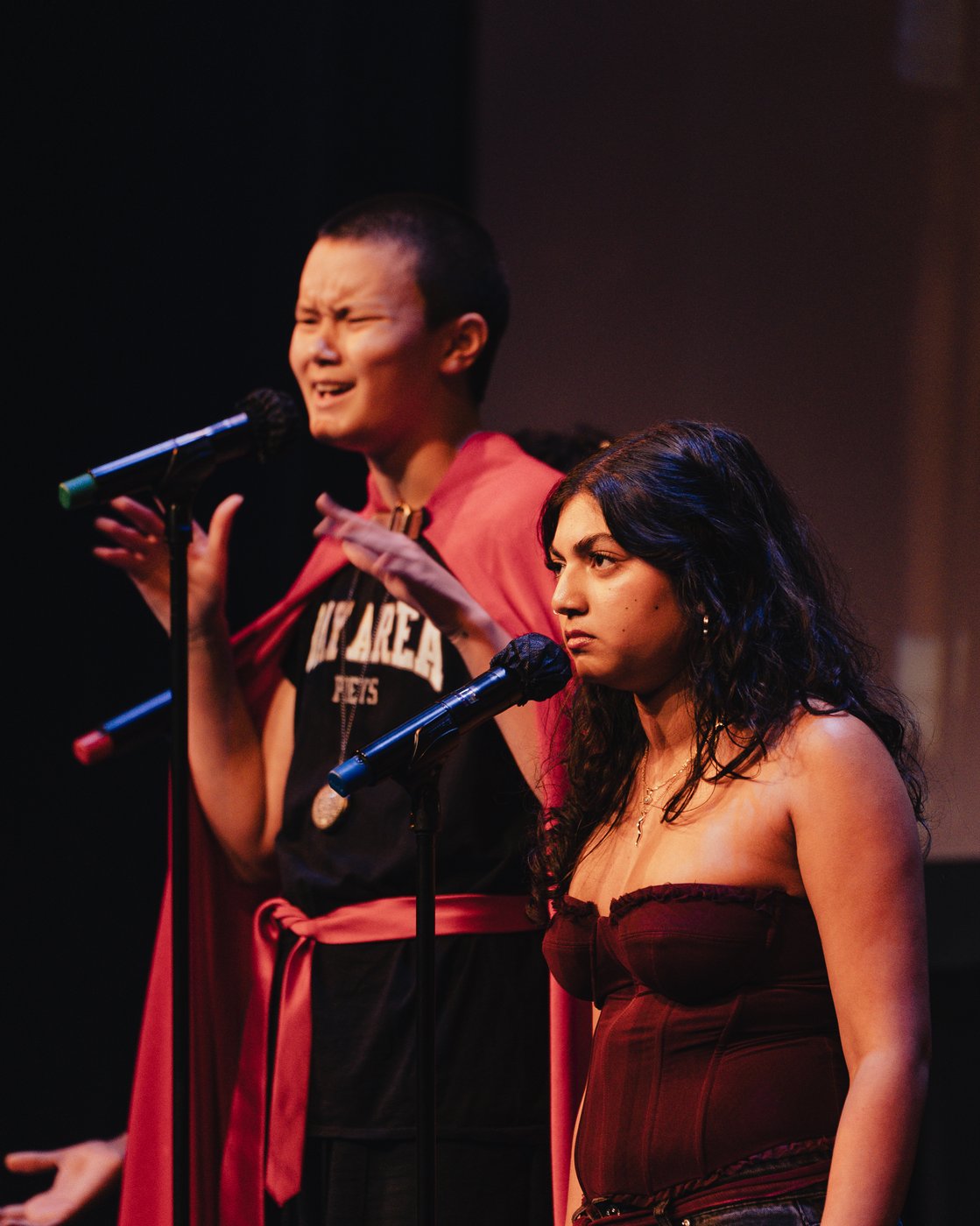
Our unique ability as humans to innovate… will be the primary engine of both business innovation and individual career growth.— Aneesh Raman, Chief Economic Opportunity Officer, LinkedIn
Raman noted that a century of prioritizing technical credentials has caused a systemic underinvestment in these capacities (Raman, 2024). Their argument is compelling and addresses one aspect of creativity’s value. Yet the impact of developing a young person’s creativity is far more profound. As established in both educational psychology and developmental psychology, creative self-efficacy and personal agency are mutually reinforcing. Creativity is understood as a driver of the mental flexibility, psychological resilience, and prosocial behavior young people need to navigate and influence their environments. This is the animating purpose of the Catalyse pillar of the Creative Youth Development Framework: creativity as a force for civic action, social justice, and meaningful community contribution.
Creativity as a Social and Cultural Endeavor
One of the most significant developments in creativity research in recent decades is the recognition that creativity is not simply an individual talent but a deeply social and cultural phenomenon. This insight is articulated with particular force in “How Are We Creative Together? Comparing Sociocognitive and Sociocultural Answers,” a landmark paper published in Theory & Psychology (Glăveanu, 2011). Its author, creativity researcher and pioneer of possibility studies, Vlad Glăveanu, is a featured contributor to this issue of Extensions. The core idea within that article — and the subsequent manifesto in which 17 co-authors joined Glăveanu, “Advancing Creativity Theory and Research: A Sociocultural Manifesto” (Glăveanu et al., 2020) — is that creativity is about relationships and thrives on dialogue, access to resources, and the support of a community.
Creativity is about relationships and thrives on dialogue, access to resources, and the support of a community.
CYD programmes encompass precisely those elements. They are supportive environments where young people access resources and move from tentative experimentation to confident, sustained creative participation — developing not just skill but agency, not just technique but creative self-efficacy and the belief that their work and their voice matter.
Creative youth development reflects the universal nature of the broader youth development field, recognizing that the need for belonging and agency, as well as the core transitions of childhood and adolescence, are fundamental to the human experience, regardless of geography or culture. Simultaneously, in practice, CYD is defined by a profound and essential connection to place. The creativity young people cultivate is inextricably linked to their specific cultural landscapes, communal histories, and everyday lived experiences. When programmes are authentically situated within these contexts, they involve what interdisciplinary scholar Shawn Ginwright terms healing-centered engagement (Ginwright, 2018). By affirming the cultural identities and community narratives that young people hold, these programmes recognize creative expression as a restorative act. In this framework, the affirmation of culture is not just a programme feature, it is the pathway to healing and flourishing. Such environments function as vibrant and essential ecosystems where young people’s own surroundings and heritage serve as primary sources of creative material, collective agency, and social change.
A Field at Home in the World
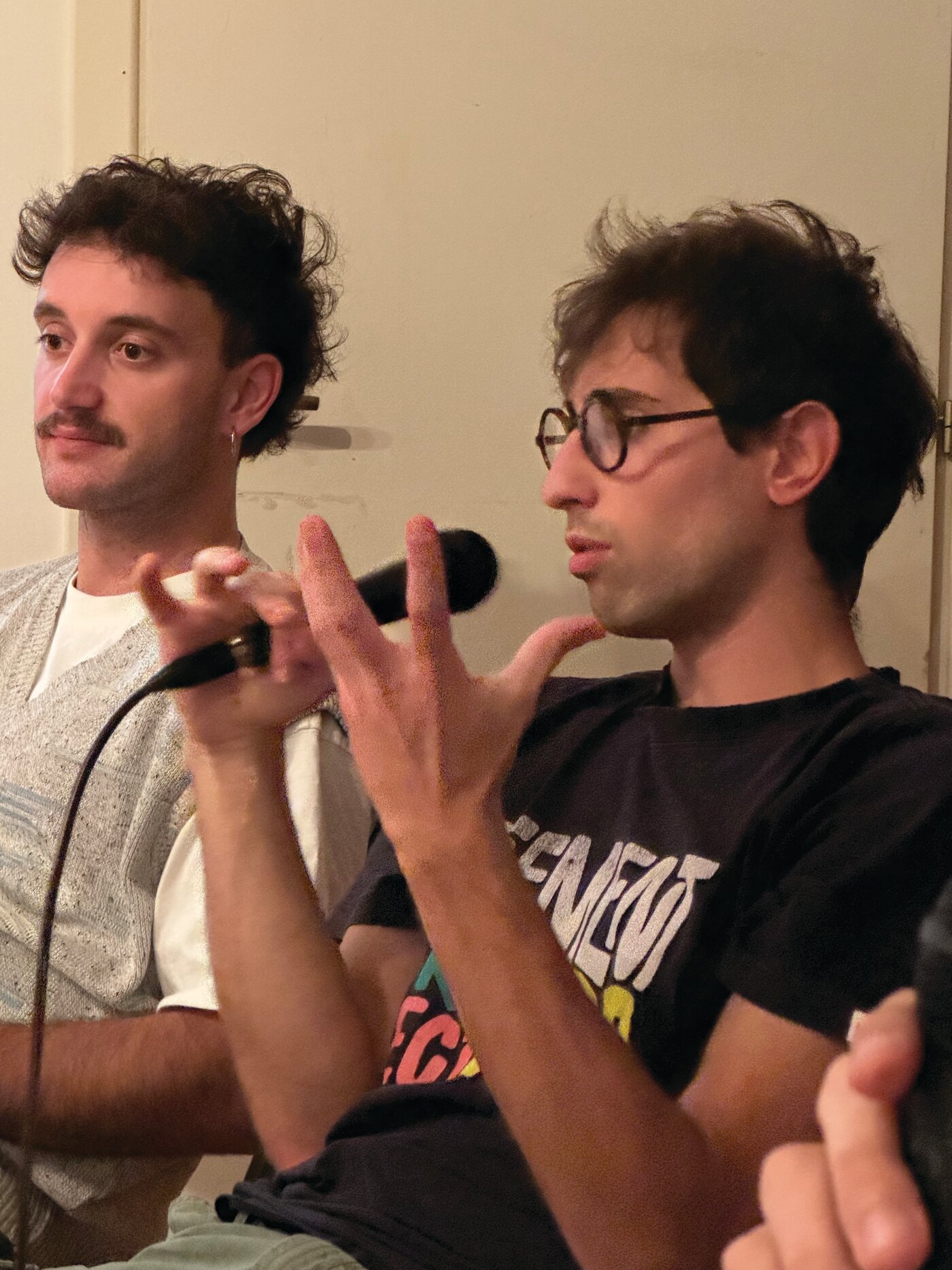
Creative youth development as a field has been growing and diversifying for decades, and it is now a global practice. The programmes featured in this issue illustrate the varied ways CYD practice adapts to local needs and social issues. In South Korea, Haja Center — whose name translates to “Let’s Do Something” — recognizes young people as creators and entrepreneurs and supports their transition into adulthood through Haja’s collaborative community. In Nigeria, Street Project Foundation utilizes “artistic activism” to advocate for social justice, while in the UK, the Forest of Imagination engages youth in hands-on, nature-based learning to cultivate creativity and environmental stewardship. On a global scale, the International Teaching Artists Collaborative (ITAC), co-founded by Marit Ulvund and Eric Booth, fosters peer-led exchange across borders.
This global work is increasingly transdisciplinary, bridging gaps between traditional sectors. Programmes like Techbridge Girls demonstrate how inherent creativity is within STEM, while Girl Scouts of Japan uses creative inquiry to foster leadership development. The field is also emerging as a vital partner in public health; researchers at the University of Florida Center for Arts in Medicine, including Extensions contributor Tasha Golden, are documenting how CYD programmes act as community-based mental health supports. Ngā Rangatahi Toa in Aotearoa New Zealand utilizes indigenous creative modalities to foster resilience and belonging among Māori youth. From the International Poetry Exchange programme based at DreamYard in the Bronx to the Youth Congress for Sustainable Americas, these varied initiatives demonstrate how the creative process can address everything from cultural diplomacy to climate-related challenges. Further, Pia Saunders Campbell examines how creative youth development acts as upstream civic infrastructure, while highlighting the cultural and institutional changes needed to move from symbolic inclusion to genuine youth partnership in policymaking.
Globally, the field has received a significant boost from Burberry Inspire, a creative youth development initiative implemented by the International Youth Foundation and funded by The Burberry Foundation. I am honored to be advising this project, which has established the first global data set on CYD and is building new knowledge about creative youth development across diverse cultural contexts. Its early impact data — showing significant gains among participating young people in problem-solving skills, community engagement, belonging, creative ability, and self-confidence — is both validating and encouraging. This work contributes to a growing body of empirical evidence for a field coalescing into a global movement.
A Field Comes of Age
Over the past two decades, researchers and practitioners have worked closely to define and codify creative youth development, document its impact, and make the case for sustained investment. This collective effort has solidified a shared commitment to core values that distinguish the field: collective action, youth voice, and the centering of racial equity and social justice. The COVID-19 pandemic tested CYD programmes profoundly — and revealed their resilience. Programmes adapted with remarkable innovation to maintain connection with young people through the most isolating period many had ever experienced, demonstrating how essential these relationships and creative spaces truly are.
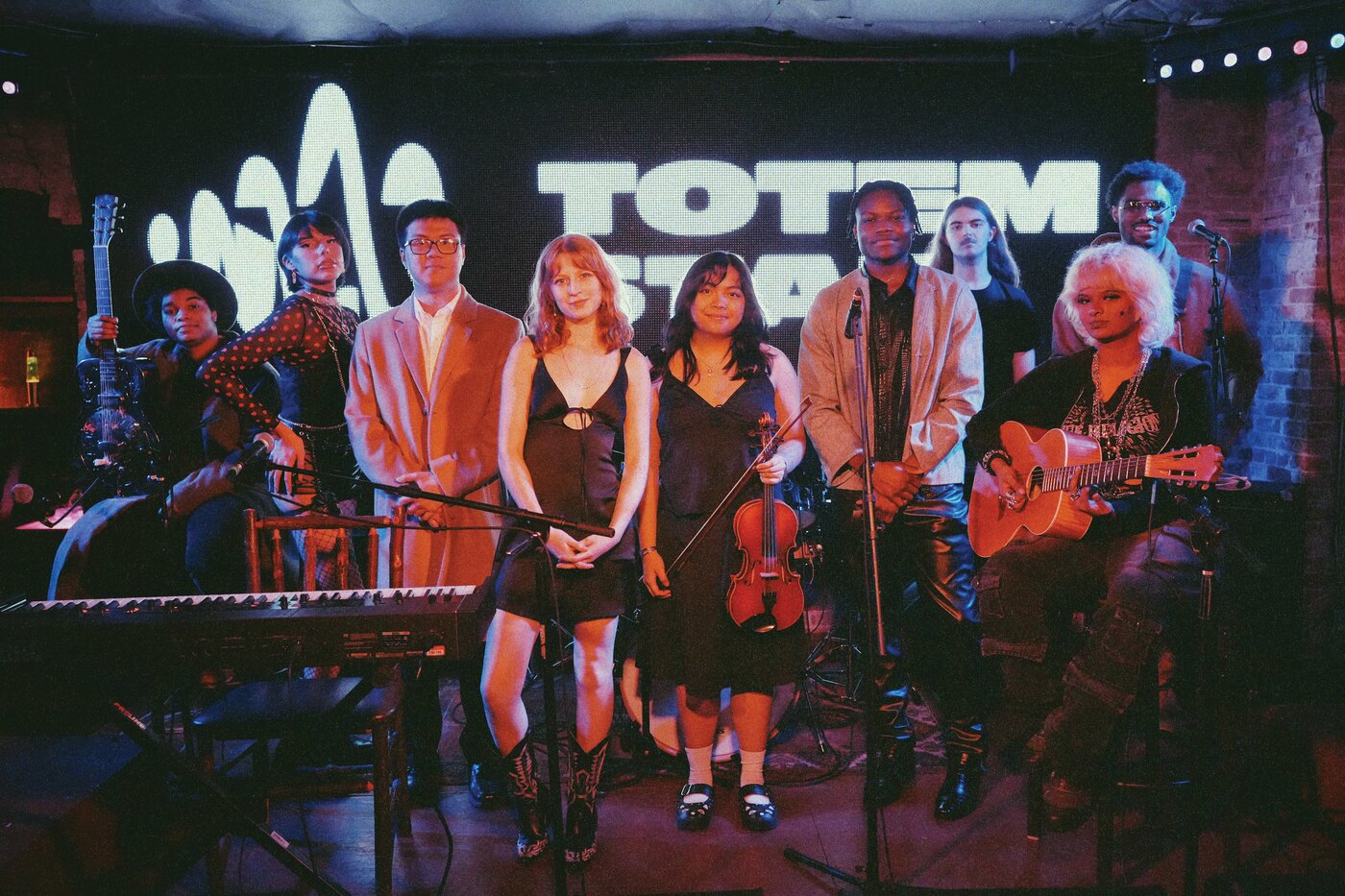
As the field enters its next phase of evolution, a significant gap remains in empirical research specifically focused on young people’s creative development within out-of-school time and informal learning environments. While the broader fields of creativity research, youth development, and social justice offer valuable insights, there is a clear need to apply these qualitative and theoretical lenses directly to the unique conditions of CYD.
The 2026 launch of the Global Centre for Creative Youth Development™ (GCCYD) marks a milestone in addressing this need. Established as a hub for evidence-based resources, peer learning, and cross-sector collaboration, GCCYD acts as a global catalyst — connecting practitioners across borders, investing in knowledge-building, and prioritising youth perspective as a cornerstone of the field’s growth. By fostering these collaborations, the Centre provides a vital point of connection for the emerging global CYD ecosystem to strengthen programme quality and collectively accelerate the movement.
Evidence from throughout the field shows that high-quality CYD programmes produce meaningful gains in creative ability, critical thinking, belonging, civic engagement, agency, self-confidence, and mental health and well-being. These outcomes are foundational to youth flourishing and align with the core competencies that the World Economic Forum (2025) and the OECD (2024) identify as essential for the future global workforce. While researchers and practitioners have long recognized the value of these capacities, an expanding global body of CYD research is working to render these profound outcomes visible, measurable, and increasingly replicable across diverse contexts.
A notable effort to build this understanding is the 3C Data Alliance, an initiative co-designed and jointly led by practitioners and youth to serve the specific needs of the CYD field. By focusing on shared data systems, practices, and collective learning, the Alliance partners with organisations to better understand and communicate their impact. This collaborative approach ensures that the resulting evidence base is both nuanced and authentic to field practices.
An Invitation
The global momentum for this work was evident at the 2025 Marconi Institute for Creativity conference. My colleague Adam Yockey of International Youth Foundation and I co-presented what is believed to be the first global, public address on creative youth development, and we were energized by the interest the session generated. The dialogue that followed was rich and dynamic, revealing a clear desire among researchers to bridge foundational theory with the applied practice of cultivating creativity in young people. There is a growing appetite to collaboratively conduct research within creative youth development programmes, ensuring that empirical insights and field-based practices continuously inform and strengthen one another. This issue of Extensions is an invitation to the same kind of conversation within the extended learning and youth development community.
While much remains to be discovered through new research and translation into practice, the fundamental truths of creative youth development are already clear. Young people, immersed in caring creative communities characterized by belonging, safety, and high expectations, do not simply produce work — they develop the orientation to see themselves as shapers of what comes next. They create with purpose. They connect across differences. They catalyse change. And they remind us, in ways that are sometimes surprising and often moving, what is possible when creativity is taken seriously — and why this work requires sustained investment to flourish and reach its full potential.
My sincere thanks to the contributors of this issue; your research, practice, and perspectives are vital to enriching the global creative youth development ecosystem. To the practitioners and leaders in this field: your daily commitment sustains this work. I dedicate this issue to you and the transformative role you play in the lives of young people.
I have been deeply moved by the dedication, skill, and community I have witnessed while visiting CYD programmes globally. I am grateful to the young people, practitioners, and researchers who invited me into your spaces; learning from you has been an invaluable privilege. Most importantly, to the young people — the creators and catalysts at the heart of this movement: you are the inspiration for everything we do.
References
Akiva, T., Hecht, M., & Blyth, D. A. (2021). Using a learning and development ecosystem framework to advance the youth fields. In T. Akiva & K. H. Robinson (Eds.), It takes an ecosystem: Understanding the people, places, and possibilities of learning and development across settings (pp. 13–35). Emerald Publishing Limited.
Creative Youth Development National Partnership. (2020). The Create, Connect, and Catalyze framework. creativeyouthdevelopment.org/frameworks/
Ginwright, S. (2018, May 31). The future of healing: Shifting from trauma informed care to healing centered engagement. Medium.
Glăveanu, V. P., Hanchett Hanson, M., Baer, J., et al. (2020). Advancing creativity theory and research: A sociocultural manifesto 1.0. The Journal of Creative Behavior, 54(3), 741–745.
Glăveanu, V. P. (2011). How are we creative together? Comparing sociocognitive and sociocultural answers. Theory & Psychology, 21(4), 473–492.
Guilford, J. P. (1950). Creativity. American Psychologist, 5(9), 444–454.
Montgomery, D. (2022). Meeting the needs of young people during the COVID-19 pandemic through program adaptations in creative youth development programs. International Journal for Research on Extended Education, 10(2), 54–72.
Montgomery, D. (2017). The rise of creative youth development. Arts Education Policy Review, 118(1), 1–18.
OECD. (2025). Seven questions about creativity and creative thinking: What do PISA 2022 data tell us? PISA, OECD Publishing.
OECD. (2024). PISA 2022 results (Volume III): Creative minds, creative schools. OECD Publishing.
Raman, A. (2024, May 15). Thriving with AI: The power of human skills [Video]. LinkedIn.
Roslansky, R., & Raman, A. (2026). Open to work: How to get ahead in the age of AI. Harper Business.
Stevenson, L., & Crowell, S. (2021). Ten dimensions of powerful arts education practice. The William and Flora Hewlett Foundation.
Stevenson, L. (2014). Setting the agenda: National Summit on Creative Youth Development. Massachusetts Cultural Council.
Torrance, E. P. (1972). Can we teach children to think creatively? The Journal of Creative Behavior, 6(2), 114–143.
UNESCO. (2021). Reimagining our futures together: A new social contract for education.
World Economic Forum. (2025). New Economy Skills: Unlocking the Human Advantage (White Paper).